Why Your Espresso Tastes Sour, Bitter, or Watery — And the One Fix for Each
 Maryna Gray
• May 19, 2026 — last updated June 05, 2026
Maryna Gray
• May 19, 2026 — last updated June 05, 2026
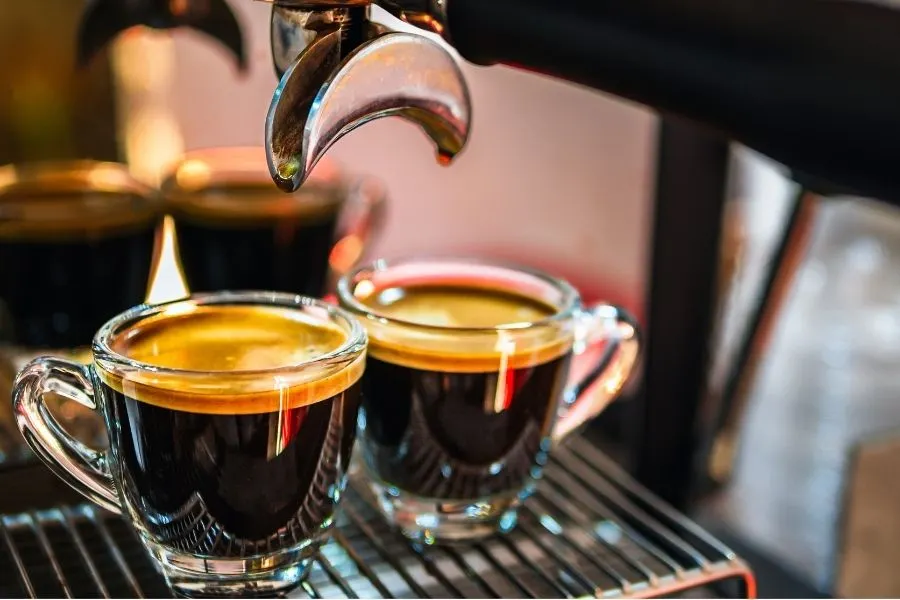
We've all stood at the machine at 7am, first sip in, asking the cup what went wrong. Sour, maybe. Or bitter. Or worse, watery, like espresso cut with hot water for an americano. It's one of the most-asked espresso questions online for a reason: home espresso has more variables than any other brew method, and the cup is small enough that every variable shows up loudly. The good news? There are only three things going wrong, plus a fourth trap that looks like two problems at once. Each points to one fix. I'll walk you through them in the order I work them at the counter, so you can taste the cup, name the symptom, and turn the right knob.
A shot has two independent dials. Strength is how concentrated the cup is, how much coffee dissolved in the liquid. Extraction is how much of the bean's flavor actually came out. Sour and bitter are extraction problems. Watery is a strength problem. That's why the same fix doesn't work for all three.
The short answer
We've all pulled a shot that didn't work, but there are only three things going wrong, and each one has one main fix. Here's the order.
- Sour = under-extracted. Grind finer.
- Bitter = over-extracted. Grind coarser. Also: check the water temperature and clean the machine.
- Watery = under-concentrated. Up the dose, tighten the ratio, or check that the beans aren't stale.
- Sour and bitter together = channeling. Don't touch the grind. Fix the puck prep.
The recipe to dial against: 18g of coffee in, 36g of espresso out, 25 to 30 seconds. That's the 1:2 baseline. Start every troubleshooting session there, and pick your beans from a basket of coffees for espresso that are still inside the fresh-roast window. Most of the espresso-tagged coffees on our catalog land in the medium and medium-dark band, which is where this recipe behaves itself best.
The two dials: strength vs. extraction
Most espresso advice on the internet skips this step, so the same fix gets prescribed for three different problems.
Strength is concentration. How much coffee, in grams of dissolved solids, ended up in your cup. The cocktail metaphor: this is the difference between a single and a double, not the difference between a good drink and a bad one. A weak espresso isn't necessarily a bad espresso. It's a small one.
Extraction is yield. How much of the bean's flavor came out of the grounds and into the water. The baking metaphor I keep using: under-extracted is a half-baked cookie, raw in the middle, sour on the tongue. Over-extracted is a cookie that sat too long, dry and ashy. Right in the middle is the cookie you want.
The Specialty Coffee Association's brewing control chart is the conceptual backbone here: people prefer extraction yields between 18% and 22% and strengths between 1.15% and 1.45%. Two axes, not one. When your cup is "off," ask first which axis it's off on.
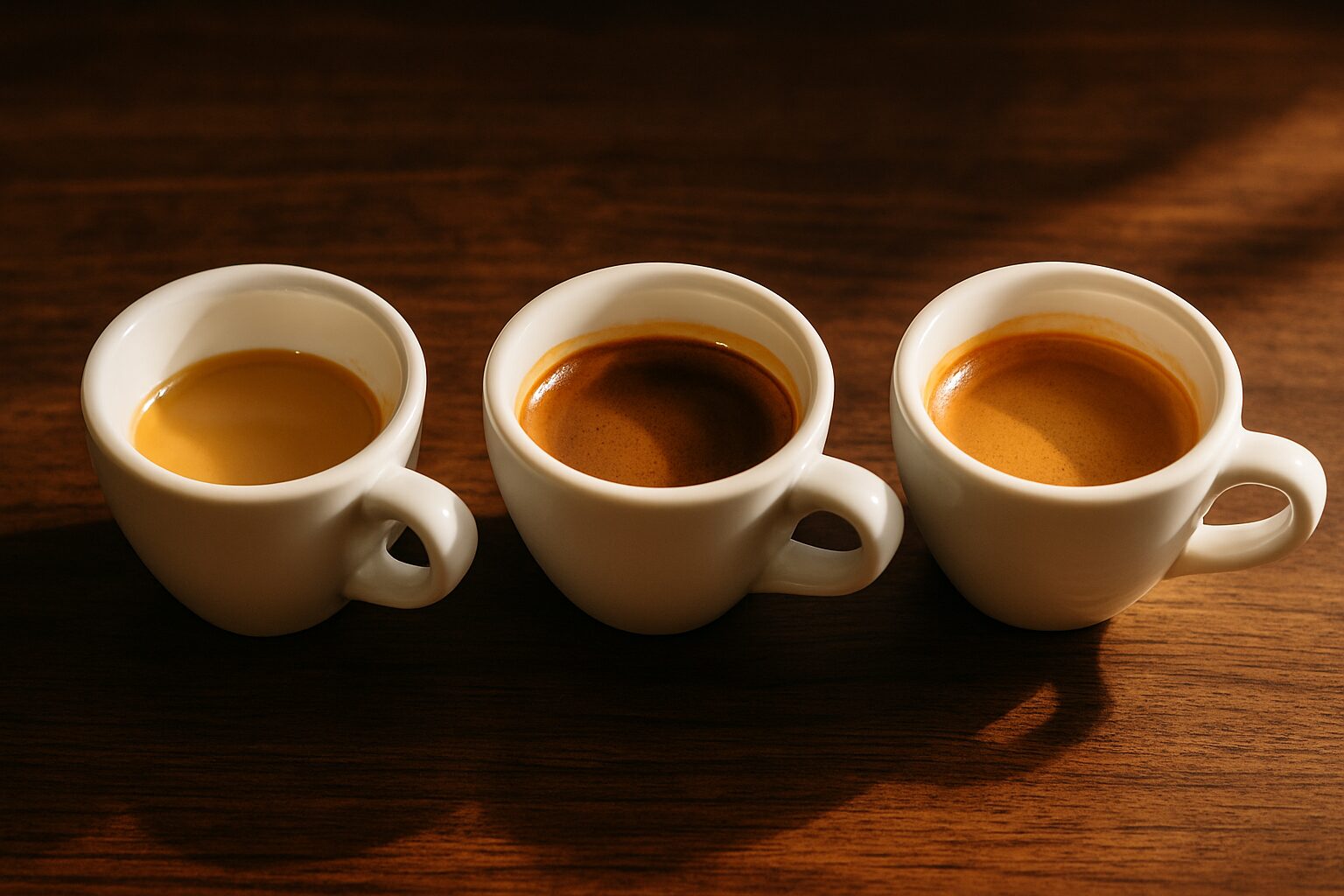
Two more terms. Crema is the honey-colored foam on top of the shot, dissolved CO₂ in the bean's oils, frothed up by pressure. Channeling is when water finds a crack or void in the puck and rushes through it instead of soaking the bed evenly. You'll need both words.
Sour: the grind is too coarse
The cup tastes sharp, tart, lemon-puckery. I'll be honest, I love a certain kind of sour in a shot. The lemon-drop brightness from a fresh light single-origin pulled as espresso is one of my favorite ways to drink coffee. What I don't love is the other sour: green, vegetal, under-developed, the kind that makes your jaw tighten at the back of the tongue. That's the one this section is about.

From our coffee sommelier
Maryna's weekly picks
“I taste thousands of coffees a year — I’ll only send you the few worth brewing.”
Something went wrong — please try again.
Free · Weekly · Unsubscribe anytime
Water moved through the puck too fast. Acidic compounds dissolve first when water meets coffee, which means they always come out. The sugars and the body, the round caramel-side flavors, dissolve later. If the water doesn't stick around long enough, those never make it into the cup, and you're left tasting only the first wave.
The diagnostic you can run in real time, before the shot finishes: watch the first drops. Per Clive Coffee's dial-in protocol, if the first drops fall before 6 seconds, the shot is almost guaranteed to taste sour. Stop the pull, grind finer, try again.
The fix is one knob: grind a notch or two finer. Keep the dose and yield the same. Taste, adjust, taste. The bartender's discipline, one variable at a time, or you'll never know what fixed it. The grind-size cheat sheet is the companion piece on dialing grind by taste across every brew method.
One footnote. Too fine and the puck packs so tight that water can't move through evenly anymore, and the shot drops back into under-extracted territory. If finer made it worse, you've crossed the sweet spot. Back off a notch.
Bitter: over-extraction (or a dirty machine)
The cup leaves a harsh, ashy, drying finish. Like over-steeped black tea, or the last quarter of a cup of drip that's been sitting on the warmer. The first sip might be okay; it's the aftertaste that gives bitter away.
The mechanism is the mirror image of sour. Water spent too long in contact with the grounds and kept dissolving things after the sweet and acidic compounds were already in the cup. What you're tasting at the back of the tongue are tannins and bitter alkaloids, the stuff that comes out last. Same logic as steeping a tea bag for ten minutes: lovely sip one, miserable sip three.
The fix: grind coarser by a notch or two, aim for a pour that finishes in the 25 to 30 second window, and check the water temperature. Breville's piece on bitter coffee pins the target at 195 to 205°F. Hotter and you're pulling bitter compounds even when contact time is right.
Bitter is often the machine, not the recipe. Stale coffee oils caked on the grouphead screen, residue in the basket, a gasket that hasn't been cleaned since the box arrived. All of it adds bitterness to a shot that's otherwise dialed in. If you can't remember the last time you backflushed or scrubbed the basket, that's the first knob to turn, not the grind.
What you're aiming at, sensory-wise, is the chocolate-caramel-cherry-and-brown-sugar zone. On any given week, the most common tasting notes across our espresso-tagged catalog are chocolate (28 coffees), dark chocolate (19), caramel (17), cherry (10), and brown sugar (8). A bitter cup is one where those notes never made it through.
Watery: a strength problem, not an extraction one
The cup feels thin on the tongue, watery, like the shot got cut with something. The flavors might even be balanced. There just aren't enough of them. This is where the two-dial frame earns its keep.
Watery doesn't usually mean under-extracted. It means under-concentrated. The extraction can be fine; there just isn't enough coffee dissolved in the cup to give it body. (A small cookie can still be perfectly baked. It's just a small cookie.)
Three fixes, in order:
- Up the dose. Pull 20g instead of 18g, same yield.
- Tighten the ratio. Pull a shorter shot, 18g in, 30g out instead of 36g. Same coffee, more concentrated.
- Check the beans. Stale beans don't pressurize correctly. The puck can't hold back the water, the crema collapses, and the shot pours fast and thin no matter what your grind is doing.
That third one is the override. Per Cliff & Pebble's piece on watery espresso, beans more than thirty days off roast are likely the entire diagnosis. They've lost the CO₂ and oils that espresso depends on to build pressure and proper crema. If the cup is watery and the beans have been on your counter since last month, stop tweaking the grind. Replace the bag.
That freshness window is what a coffee subscription you can build around your espresso routine is built for. Set the cadence to the pace you actually pull shots, pick the roast level you want, and keep something fresh on the counter. Then the only variables left are your grind and your hands.
The fourth symptom: channeling
This is the trap that breaks the diagnostic framework, and it's the one most guides bury. You take a sip and you taste sour at the front of the tongue and bitter at the back, in the same sip. Or you watch the shot pour and one side of the basket sprays out while the other side dribbles. Different visuals, same underlying problem.
Channeling. Water found a crack in the puck (a low-density spot, a void from clumpy grounds, a fissure from an uneven tamp) and rushed through. The grounds along the easy path over-extracted (bitter). The grounds the water never properly soaked under-extracted (sour). Both happen in the same shot, which is why the cup tastes contradictory.
DON'T touch the grind on this one. The fix is puck prep. According to Papel Espresso's channeling guide, over 90% of channeling stems from how you prepared the puck before locking it into the machine. Three moves:
- Distribute the grounds evenly. Break up clumps in the basket before you tamp. A few thin needles in a wine cork (what the home-barista world calls a WDT tool) works as well as a $40 distributor. Stir lightly, edges to middle.
- Tamp level, not hero-tight. Evenness matters more than force. Flat, downward, consistent. A crooked tamp creates the exact density gradient that water exploits.
- Lock in and pull immediately. A wet puck that sits hot for thirty seconds before the shot starts has time to shift and create channels of its own.
One related trap. Extra-dark beans can crack on the tamp. The data backs this up: 31 of our espresso-tagged coffees sit at roast level 3 (medium) and 12 at level 4 (medium-dark), versus only 16 between roast levels 5 and 6 combined. The espresso default in our catalog is medium and medium-dark, not extra-dark. If you've been pulling from the darkest roast on the shelf and the channeling won't quit, try a medium-roast coffee or a single-origin coffee to see how the same recipe behaves with a less brittle bean.
If you've tried everything
Three remaining variables:
- Bean age. Beans more than thirty days off roast lose pressure-building capacity. No grind adjustment fixes a stale bag.
- Water quality. Coffee needs some mineral content to extract. Distilled water won't pull a proper shot, and very hard tap water coats the boiler and shifts the taste over time.
- Machine maintenance. Stale grouphead screens, old gaskets, mineral scale in the boiler. If your machine hasn't been backflushed or descaled in months, the cup is telling you about the machine.
One last trick. Hoffmann's sodium bicarbonate finishing move (6.4g per liter of water, max 2g per 20g shot) neutralizes residual acidity at the cup level. A fun lever to pull when the shot is technically dialed but still a touch sour for your taste. A finishing trick, not the diagnostic answer.
Where to land
Three symptoms, three fixes, one trap. Sour means grind finer. Bitter means grind coarser, check the temperature, and clean the machine. Watery means up the dose or replace the beans. Both sour and bitter in the same sip means puck prep, not grind.
The whole game, once you can name the symptom, is single-knob discipline. Change one variable, taste, change another. Three pulls is usually enough to land a balanced shot if you stay patient and don't tweak grind, ratio, and temperature at once. That's the bartender's protocol, and it's the only way to learn what each variable does. If you want a stopwatch-paced walk-through for opening a fresh bag (exact times, exact ratios, exact tastes to watch for), how to dial in a new bag of espresso is its own piece.
What you're chasing is the smell that lands in the demitasse before you ever lift it: cocoa nib, brown sugar, a soft cherry note, a caramel finish that lingers. The crema settles to a pencil-thin honey-colored layer, the body coats the cup, the first sip tells you the rest of the bag is going to be a pleasure. That's the cup. The dials are there to help you find it again tomorrow.
We want to help you make better coffee at home. Our recommendations are our own, and never sponsored. If you see something you love and buy it through our links, we may receive an affiliate commission (thanks for that!).
From our coffee sommelier
Maryna's weekly picks
“I taste thousands of coffees a year — I’ll only send you the few worth brewing.”
Something went wrong — please try again.
Free · Weekly · Unsubscribe anytime