The Best Dark Roast Coffee (That Isn't Just Burnt)
 Maryna Gray
• July 28, 2026 — last updated July 28, 2026
Maryna Gray
• July 28, 2026 — last updated July 28, 2026
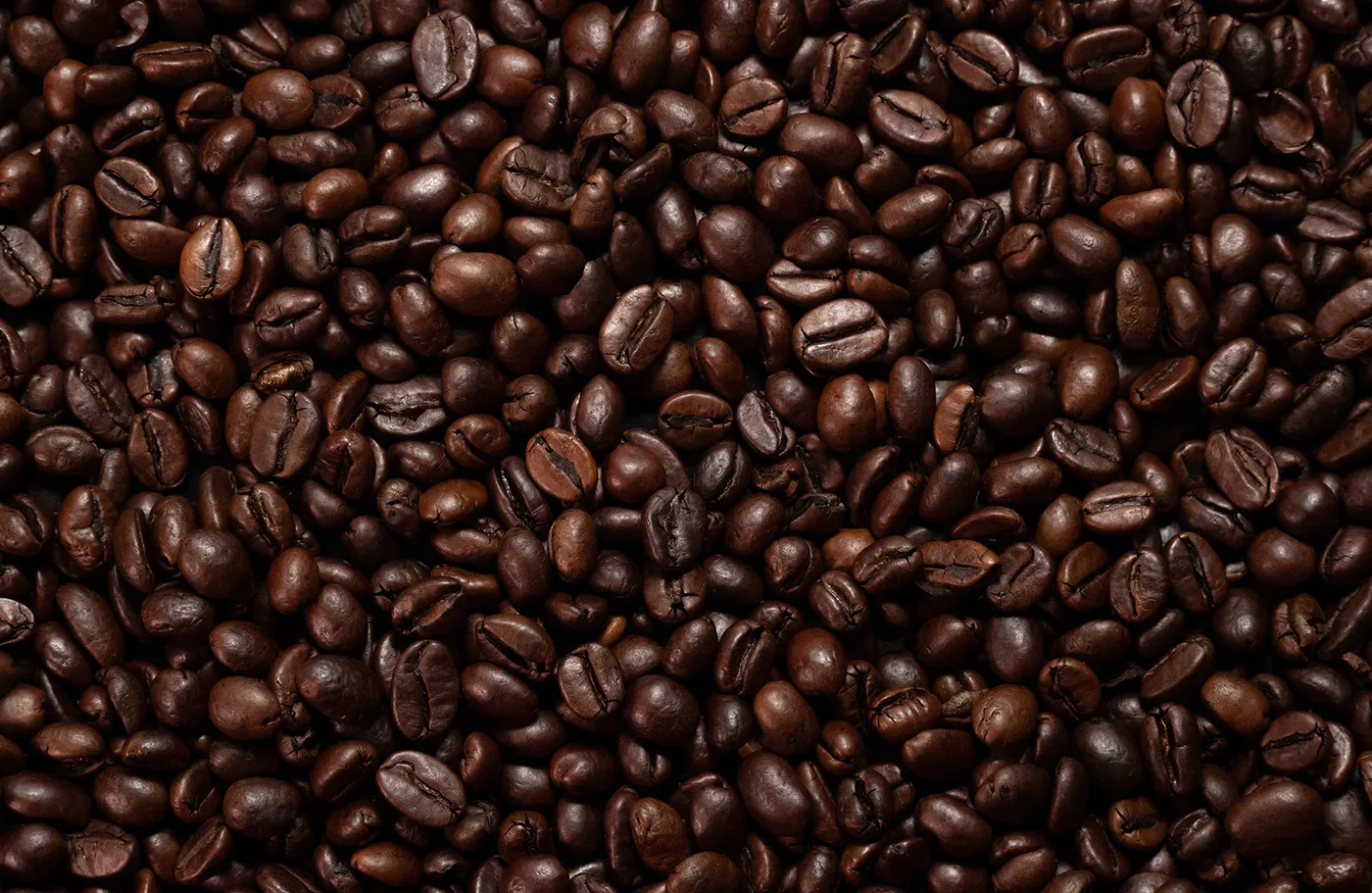
We've all had the dark roast that tastes like an ashtray. The burnt, bitter, scorched-rubber cup that made you swear off the dark side for good and slink back to the medium shelf. I get it. For a long stretch, "dark roast" basically meant "roasted until the beans gave up," and a whole generation of drinkers learned to brace for the bitterness.
But a real dark roast, developed and not charred, is a completely different animal. It's all chocolate and toffee and molasses, with a body that coats the cup like warm syrup, and it's hands down the smoothest thing you can drink black. The bitterness you're remembering came from over-roasting, not from darkness itself. When the roaster takes it slow and stops at the right moment, those sugars caramelize into dessert instead of carbon.
That's the line I care about, and it's the line a lot of beans miss. Alfred Peet planted the flag for serious dark roasting in the US back in 1966, and the best roasters have spent the years since proving that dark can still be precise. I've spent a good while pulling the genuinely good dark roasts out of our catalog, tasting for sweet over smoky, and I'll walk you through the ones worth your money.
The short answer
We all flinch at the memory of a burnt dark roast, but you can get a chocolatey, low-acid cup that still tastes like real coffee by choosing a developed dark roast over a charred one, and I'll show you exactly which ones to grab.
- A good dark roast stops at or just past second crack: deep enough for chocolate and toffee, not so far that it turns to char.
- Look for sweet notes (chocolate, caramel, molasses) over smoky or burnt ones. That's the whole tell.
- Our picks below cover black coffee, espresso, French press and cold brew, and the rare origin-forward dark roast.
Want to skip straight to shopping? Browse the full lineup of dark-roast coffees and sort by tasting notes.
What makes a dark roast good (and what makes it burnt)
Let me define the category fast, because the label is doing a lot of heavy lifting. A dark roast stops at or just past second crack, the point around 224°C (roughly 435°F) where the bean's internal oils start migrating to the surface. That migration is what gives dark roast its glossy sheen, and it's also where the deeper, smokier flavors come from. If you want the full mechanics of why beans crack twice, MTPak Coffee lays it out beautifully. The short version: stop near the start of second crack and you get balance, push minutes beyond it and you get char.
Which brings us to the single buying tell, the one thing to anchor on: developed, not charred. When a roaster develops the beans patiently, the natural sugars caramelize into chocolate, toffee, and caramel. When the heat spikes too fast or the roast runs too long, those same sugars scorch into something acrid and ashy. Same darkness on the outside, wildly different cup. (Our own why does my coffee taste burnt post digs into the mechanism if you want to nerd out on it.)
Here's the part that surprises people: even the pros stay lighter than you'd guess. When Coffee Review measured a batch of professionally rated dark roasts with an Agtron color reader, half of them landed in the medium-dark range, deliberately kept a shade back from the brink to preserve complexity. The best dark roasting isn't a race to the darkest possible bean. It's knowing exactly when to stop.
And the catalog backs this up. Of our 74 live dark roasts, 85% list sweet, chocolate, or caramel notes, and only about 15% lean smoky or burnt. The numbers prove the thesis: a well-made dark roast tastes like a brownie, not a bonfire. Roast color, honestly, is a blunt instrument for what's actually in your mug, which is why the light-medium-dark labels stopped making much sense.
If you'd rather not pick at all, that's allowed too. Let us match you to a developed dark roast and keep it arriving fresh through our coffee subscription configurator. Tell it you want chocolate and body, and we'll handle the rest.

Our dark roast picks by use case
I pulled these from our top-rated, best-reviewed dark roasts. (For context, our rated dark roasts as a group average 4.16 across more than 1,300 reviews, and the picks below sit at the top of that range.) They're organized by how you'll actually drink them, because the dark roast that sings black isn't always the one you want pulling shots.
For drinking it black
Dark roast is the black-coffee roast of choice, and it isn't an accident. The lower perceived acidity plus that chocolatey body make the cup read as smooth and sweet rather than sharp and sour, which is exactly what you want when there's nothing to hide behind. No milk, no sugar, no apology.
From our coffee sommelier
Maryna's weekly picks
“I taste thousands of coffees a year — I’ll only send you the few worth brewing.”
Something went wrong — please try again.
Free · Weekly · Unsubscribe anytime
My picks here are all chocolate-forward and silky. Dark Side of the Moon from Blossom Coffee Roasters is the crowd favorite (caramel, chocolate, and dark chocolate, with a 4.5-star rating across 260 reviews), and it drinks like melted fudge. Belly Warmer from Methodical Roasting leans into dark chocolate and almond butter, plush and rounded, the kind of cup you wrap both hands around. And Stag Blend from Dapper & Wise is caramel, graham cracker, and dark chocolate, basically a s'more in a mug minus the campfire smoke.
The reason all three read sweet instead of ashy comes back to the same thing: caramelized sugar from a patient, developed roast. Want more in this lane? Browse our chocolaty coffees, which is where most black-coffee drinkers end up living.

For espresso
This is the classic. A developed dark roast pulls a sweet, full-bodied shot heavy on chocolate and caramel, with enough sugar to carry milk without disappearing. It's the roast level espresso was practically built around.
One caveat worth knowing before you buy. Coffee Bros. points out that heavily oily dark roasts can gum up the burrs and chutes on super-automatic machines, where the oil has nowhere to go. So if you're feeding a bean hopper, steer toward a developed dark with a moderate sheen rather than an extreme, glistening French roast.
For picks, Diablo Dark Roast from Seattle's own Ladro Roasting is my go-to (dark chocolate, brown sugar, and walnut, 4.5 stars across 107 reviews), and it pulls a shot with real backbone. Oscuro from Methodical Roasting is rich and unabashedly dark, with that smoky edge some espresso drinkers chase. And Monarch from Onyx Coffee Lab crosses over gorgeously into the portafilter, all chocolate ganache with a streak of red wine and molasses that refuses to quit. Shopping the espresso angle? Here are coffees for espresso worth a look.
For French press and cold brew
Full-immersion brewing and dark roast are a natural match. When the grounds steep in the water the whole time, instead of getting rinsed through quickly, you pull out maximum body, and the low acidity of a dark roast keeps everything from turning harsh. The result is round, smooth, and almost sweet.
The trick is the same one I keep harping on: pick a developed dark, not an extreme French roast. Immersion amplifies whatever's there, body and bitterness both, so you want enough caramelized sweetness to balance the heft.
Three I reach for: Sumatra Reserve from Vashon Island Coffee Roasterie (butter, dried fruit, and cocoa) is the platonic immersion Sumatra, earthy and thick in the best way. Jebena Blend from Boon Boona Coffee, an Ethiopian-owned roaster, brings caramel, nutmeg, and bittersweet chocolate (4.5 stars across 27 reviews), and it makes a cold brew you could pour over ice cream. Late Night from Methodical Roasting is toasty, dark chocolate, and malt, which is precisely as cozy as it sounds.

If you want origin to survive the roast
This is the hardest category, and the most rewarding: a single-origin dark roast where you can still taste where the coffee came from. Most dark roasting flattens origin character into one cozy chocolate note. A great one keeps a thread of the bean's home intact.
It's also genuinely rare. Only 7 of our 74 live dark roasts are single-origin (the other 67 are blends), which is exactly why an origin-legible dark roast is worth seeking out when you find one.
My lead example is Colombia Cattleya from Fundamental Coffee Company, and I stand by it. It's got the chocolate richness you expect from a dark roast, but the stone-fruit and floral brightness of the Colombian bean survives the trip, and tasting both at once is a small thrill. Dark Sumatra from Caffe Lusso Roastery is the other one to know (fresh earth, cedar, and cocoa), proof that an origin's earthy character can hold its shape even at a darker profile. Coffee Review's highest-scoring specialty darks, from Ecuador, Sumatra, and Hawaii, all pulled the same trick of going dark without erasing origin. When you want that, start with single-origin coffees and read the notes closely.
Best overall dark: Diablo Dark Roast, Ladro Roasting
Caffe Ladro's all-time best seller, and you can taste why on the first sip. It's devilishly dark and spicy with a big velvety body, all earthy dark chocolate folded into cinnamon and burnt caramel. This is the one the whole office fights over.
Tastes like: dark chocolate, brown sugar, walnut. Get Diablo Dark Roast
Most-loved classic: Bearded Lady, Longshoreman's Daughter Coffee
A little time capsule to the 1980s, dark and bold and decadent. I get a rich smoky flavor up front, then this bright cherry punch sneaks in, like a chocolate-covered cherry with a kick. Wonderfully off-the-wall.
Tastes like: cherry, vanilla, cocoa powder. Get Bearded Lady
Best toasted-sweet: El Diablo Blend, Cloud City Coffee
This is the dark-roast version of a s'more in your mug, an homage to a beloved Cuban-inspired Seattle coffee shop. The aroma alone is pure chocolate syrup. It's for the people who like their coffee dark and their marshmallows toasted past golden.
Tastes like: caramel, marshmallow, chocolate. Get El Diablo Blend
Best smoky: Bonfire Blend, Dapper & Wise
Dapper & Wise's best-selling dark roast, and it really does drink like a roaring bonfire under a starry sky. There's smoky warmth here, but it's balanced by a sweet, almost merlot-toned clarity. Layered and multi-dimensional, never one-note.
Tastes like: tobacco, smoky, merlot. Get Bonfire Blend
Best French roast: Luna French Roast, Caffe Vita
A French roast that thinks it's a dark-chocolate s'more, and I'm not mad about it. Deep, dark, and full-bodied, with a hint of dark chocolate, toasted marshmallow, and vanilla that lingers on the finish. Toasty but balanced, never bitter.
Tastes like: vanilla, almond, chocolate. Get Luna French Roast
Dark roast vs French roast
These two get used interchangeably, and they shouldn't be. Per 11th Street Coffee, here's the honest comparison:
| Dark roast | French roast | |
|---|---|---|
| Roast endpoint | At or just past second crack | Minutes beyond second crack |
| Color | Deep brown | Nearly black |
| Sheen | Light to moderate oil | Heavy oil |
| Flavor | Balanced chocolate, nut, caramel | Bold, smoky, can overwhelm |
| Origin legibility | Some | Almost none |
The takeaway is simple. French roast is a subset of dark roast pushed further, so if you've been let down by something labeled "dark roast" in the past, there's a real chance you actually had a French roast. For most drinkers, a developed dark roast is the Goldilocks spot: deep and chocolatey without the smoke taking over the whole cup.
Don't overthink it
Dark roast got a bad name from beans that were burnt, stale, or pushed too far, and I understand the flinch. But a developed dark roast is one of the most satisfying cups you can drink black, full stop. It's chocolate and toffee and body, low in perceived acidity, and forgiving enough to brew a dozen ways.
Pick by sweet over smoky and you genuinely can't go far wrong. Start with our dark-roast coffees, read the tasting notes, and chase the chocolate. And if your taste runs the other direction, toward the bright and floral end of the spectrum, I gave the best light roast coffee the same treatment.
Frequently asked questions
Does dark roast coffee have more caffeine than light roast? Slightly less, actually. Longer roasting breaks down a little caffeine, but the per-cup difference is negligible by volume. Light beans are denser, so a scoop holds a touch more.
What's the difference between dark roast and French roast? French roast is a darker subset of dark roast, pushed a few minutes further past second crack. It comes out nearly black, oily, and smokier. A dark roast stops at or just after second crack and keeps more of its origin character. (See the comparison table above.)
Is dark roast coffee lower in acidity? It's perceived as lower-acid, because extended roasting breaks down acid compounds. The measured pH difference is modest, and sensitivity varies from person to person, so I'd skip any medical promises and just taste for yourself.
What makes a dark roast taste burnt instead of developed? Burnt flavor comes from heat applied too fast in the roast, from stale beans (dark roasts fade within about a week of roasting), or from coffee overheated while it brews. It doesn't come from darkness itself.
What temperature should I brew dark roast at? A little cooler than standard, around 188 to 194°F (87 to 90°C), so you don't amplify the bitterness. Coffee Bros. lands in that same range.
Why are my dark roast beans oily? The oils migrate to the surface during second crack. That sheen is completely normal for a dark roast, and it's the source of both the glossy look and the smoky depth.
We want to help you make better coffee at home. Our recommendations are our own, and never sponsored. If you see something you love and buy it through our links, we may receive an affiliate commission (thanks for that!).
From our coffee sommelier
Maryna's weekly picks
“I taste thousands of coffees a year — I’ll only send you the few worth brewing.”
Something went wrong — please try again.
Free · Weekly · Unsubscribe anytime