The Best Coffee for Cold Brew: Beans, Roasts & Grind That Actually Work
 Maryna Gray
• August 06, 2026 — last updated August 06, 2026
Maryna Gray
• August 06, 2026 — last updated August 06, 2026
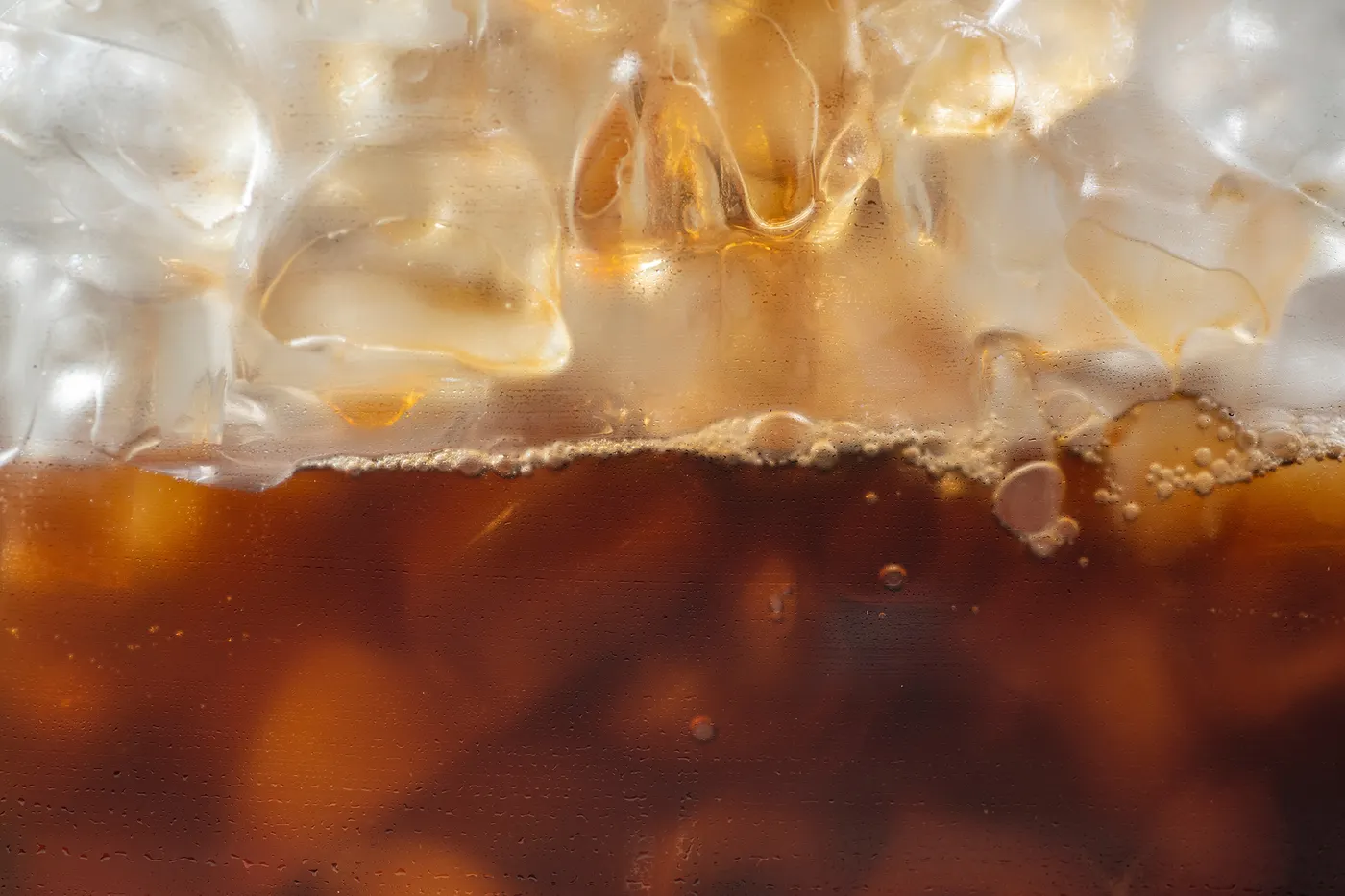
We all reach for cold brew the second it gets warm out. It's the most forgiving thing you can make at home, which is exactly why most of us never think twice about the beans going into the jar. Here's the funny part: the bean matters MORE in cold brew, not less. You want the kind of smooth, chocolaty, low-bite cup that tastes like it came from your favorite cafe, round and sweet, not flat and watery. Pick the right bean first and the rest falls into place. Let me walk you through what actually matters.
Cold water is a gentle extractor. It pulls fewer of the sharp, acidic, bitter compounds that hot water yanks out in two minutes flat, which is why cold brew lands softer on your tongue. Cold brew sits around pH 5.5, versus roughly 4.8 for hot drip, per Breville's breakdown of cold brew acidity. Lower acid is the whole appeal. But here's the catch nobody mentions: when you strip away the acidity and the bitterness, what's left in the glass is the bean's underlying character, naked and on display. A stale or cheap bean has nowhere to hide. A beautiful one gets to do all the talking.
The short answer
We all love how smooth cold brew can be, and you get that chocolaty, low-acid cup by choosing the right bean first, then steeping it slow. Here's where to start:
- Roast: Medium is the sweet spot, with balanced sweetness and enough complexity to keep things interesting. Dark is the bold, reliable, lowest-acid pick. Light is the adventurous one that needs more coffee or a longer steep.
- Flavor and origin: Lean chocolaty, caramel, and nutty. Latin American beans (Colombian, Brazilian) are the classic backbone; African beans (Ethiopian) add fruit for the daring.
- Grind and freshness: Coarse grind, like raw sugar, and fresh specialty beans. Cold extraction rewards quality, not bulk.
That's 90% of it. The rest is detail, and I love the detail, so stick with me.
What matters most, in order
Quality shows up more in cold brew
I'll say it again because it's the thing people get backwards. Cold water leaves the acidity and bitterness mostly in the grounds, so the sweetness, body, and depth of the bean are what reach your glass. That's wonderful when the bean is good. It's brutal when the bean is tired. If you've ever made cold brew that came out hollow and papery, the steep probably wasn't the problem. The beans were.
Aim for a chocolaty, round body
The classic crowd-pleasing cold brew tastes like a cold cocoa-dusted dessert: chocolate, a little caramel, a nutty edge, low perceived acidity, and a body that coats your tongue. That's not an accident. It's why purpose-built cold brew blends lean so hard into those flavors. When I want that cafe-style cup, I reach straight for coffees with chocolaty notes, because cold brew flatters cocoa and caramel the way iced milk flatters a brownie.
Our own catalog backs this up. Of the nine coffees Bean Box curates specifically for cold brew, six carry a chocolate or cocoa tasting note, and all nine carry a chocolate, cocoa, caramel, or nut note. Nobody coordinated that. It's just what tastes right cold.

Blend or single origin
Blends are the consistent, forgiving choice, especially once you're diluting with milk and ice. A roaster builds a cold brew blend to taste good cold, every batch, no surprises. Single origins are the reward when you drink it black and want to actually taste the place the coffee came from. There's real depth to that trade-off, and I get into single origin versus blend on its own. For your first few jars, a blend is the safe, happy bet. Worth noting: all nine of our purpose-built cold brew coffees are blends, zero single origin. The roasters voted with their recipes.
If you'd rather not gamble on a single bag, a curated subscription is the low-stress way in. Tell us you lean smooth, chocolate-forward, and medium, and our Coffee Plan configurator sends matched bags so your taste can settle in over a few deliveries instead of one nervous purchase.
Roast level: medium, dark, or light for cold brew
This is where the internet gets lazy. Half the guides out there shout "dark roast is best" and call it a day. The science is more interesting than that, and so is the cup.
Medium is the sweet spot
Medium roast keeps the bean's natural sweetness and its fruit-and-caramel complexity while still extracting beautifully in cold water. It's the specialty default for a reason. You get a cup with shape to it, sweetness up front, a cocoa middle, a clean finish, instead of one flat note of roast.

From our coffee sommelier
Maryna's weekly picks
“I taste thousands of coffees a year — I’ll only send you the few worth brewing.”
Something went wrong — please try again.
Free · Weekly · Unsubscribe anytime
The numbers tell the same story in our catalog. Of our nine cold-brew blends, seven are medium roast, one is dark, and one is light. That's the specialty world's quiet vote for medium-not-dark, which runs exactly opposite to the mass-market shelf. When you're ready to browse beyond cold brew, our medium-roast coffees are the deepest part of the menu.
Dark roast: bold and reliable
Dark roast earns its reputation. It's the lowest perceived acidity of the bunch, it tastes big and chocolatey, and it's the most forgiving with milk. There's chemistry behind it: a peer-reviewed study on hot and cold brew chemistry measured dark roast cold brew at around pH 5.75 versus about 5.00 for light, so dark really does land softer. Dark beans are also less dense after roasting, which means they give up their flavor more easily in cold water, a practical edge that Matt Woodburn-Simmonds of Home Coffee Expert points to.
One honest trade-off: that same study found total antioxidant capacity in cold brew drops as the roast darkens, from about 13.09 down to 10.13 mmol Trolox per liter. So dark is easy and bold, but it isn't strictly "better." It's a choice.
Light roast: the adventurous one
Light roast is the brightest, most expressive option, and it holds onto the most antioxidants. The cost is effort. Light beans are denser and harder to extract cold, so they need more coffee in the jar or a longer steep, and they can drift tea-like if you under-do it. Not bad. Just higher-effort, and best when you're drinking it black and chasing nuance.
A quick myth to bury while we're here: dark roast does not mean more caffeine. That same study found caffeine stays roughly constant, around 1,000 to 1,100 mg per liter, no matter the roast or the method. Roast color tells you less than you'd think, which is a rabbit hole I go all the way down in why roast levels stopped making sense.

Origin and process: where the flavor comes from
Once you've settled on roast, origin steers the flavor.
Latin American (Colombian, Brazilian). This is the backbone of crowd-pleasing cold brew: chocolate, caramel, soft nuttiness, gentle acidity. Brazilian beans especially tend toward that creamy, cocoa-and-peanut character that turns silky over ice. If you want the cup that just tastes "right" to everyone at the table, start here. It's no coincidence that these origins anchor most purpose-built cold brew blends.
African (Ethiopian). This is the adventurer's lane. Ethiopian coffees bring fruit and florals, blueberry, stone fruit, a sparkle of citrus, that read bright and lively even cold. Drunk black, an Ethiopian cold brew is closer to iced tea than to iced cocoa, in the best way. It's less "classic," more "wait, what IS this," which is exactly the point for some of us.
A word on process, then I'll let the dedicated piece carry the weight. Washed coffees (rinsed clean of their fruit before drying) extract faster and more completely, so they cold-brew cleanly and predictably. Natural process coffees (dried with the fruit still on) come out heavier-bodied and fruitier, but they want a slightly coarser grind or a longer steep to balance out. If that distinction grabs you, I unpack how coffee processing affects flavor in full.
Grind and ratio: the 60-second version
You don't need a recipe to choose beans, but a few numbers help you not waste a great bag.
- Grind coarse. Aim for the texture of raw sugar or coarse sea salt. This is non-negotiable. Finer particles extract faster and pull out more over a long steep, which over a 12-hour soak means bitterness. Dr. Steffen Schwarz of Coffee Consulate makes the point plainly: finer particles lead to faster, higher extraction, so coarse is how you keep the long steep from turning harsh.
- Ratio. About 1:8 coffee to water for a concentrate you'll dilute, up to roughly 1:12 for something ready to drink. Many pros start near 80g of coffee per liter; Counter Culture builds its cold brew on a 1:8 ratio.
- Steep. Most solubles come out in 3 to 6 hours at room temperature, and 12 to 16 hours in the fridge is the reliable sweet spot. Push much past a full day and you risk over-extraction.
This is the bean guide. For the full step-by-step method, ratios, and storage, follow our how to make cold brew coffee walkthrough, and don't make me retype the recipe here.
My Bean Box picks for cold brew
Here's where I'd actually start, pulled from our cold-brew coffees. I led with chocolate-forward mediums because that's the safe-and-delicious zone, then gave you one bold and one bright option to branch into.
Cold Brew Blend Organic, from Blossom Coffee Roasters (medium). Chocolate, berry, dark chocolate. This is the cocoa-forward classic, the one I'd hand someone who says "I just want it smooth." Over ice with a splash of milk it drinks like cold chocolate milk for grown-ups.
Connection Cold Brew Blend, from Greater Goods Coffee Co. (medium). Caramel, smooth, Kit Kat. Yes, the tasting note is literally Kit Kat, and yes, it earns it. Round, sweet, candy-bar cozy, and built to disappear fast on a hot afternoon.
Toketee Certified Organic, from Sightglass Coffee (medium). Caramel, apricot, cacao nib. This is your brighter, fruitier swing while staying friendly. The caramel sweetness keeps the apricot from reading sour, so it's lively without being a project.
Great Heights, from Joe Coffee Company (dark). Cinnamon, molasses, chocolate fudge. The bold, low-acid one. Dark roast done by people who don't burn it, so you get deep molasses sweetness and chocolate-fudge richness without the ashtray finish. Black, over a single big cube. Treat yourself.
You can browse the full cold-brew lineup any time. One bag, one overnight steep, and you'll know more about your own taste than any guide can tell you.

Best overall for cold brew: Sound and Vision Blend, Huckleberry Roasters
A triple-origin medium from Denver's Huckleberry, named after the Bowie song, and it's balanced and dazzling over ice. Brazil, Peru, and Ethiopia come together into caramel and layered milk chocolate that stays clear when chilled. My desert-island cold brew.
Tastes like: caramel, chocolate, milk chocolate. Get Sound and Vision Blend
Best chocolatey: Cafe Carmelita, Tony's Coffee
An all-time bestseller, the drip that thinks it's a mocha, and cold brew is where it really shows off. Steeped cold, the caramel and cocoa turn deep and creamy, with a toasty finish that drinks like a chocolate milkshake's grown-up cousin. Pure summer in a glass.
Tastes like: caramel, cocoa, buttery. Get Cafe Carmelita
Best over ice: Jebena Blend, Boon Boona Coffee
This rich, buttery medium-dark of Ethiopian and Tanzanian beans is amazing over ice, and I don't say that lightly. The lingering caramel sweetness, nutmeg, and bittersweet chocolate hold up gorgeously cold, from a roaster steeped in Ethiopian coffee culture. Pour it over a tall glass of cubes.
Tastes like: caramel, nutmeg, bittersweet chocolate. Get Jebena Blend
Best bold: El Diablo Blend, Cloud City Coffee
The dark-roast version of a s'more in your mug, an homage to a Cuban-inspired Seattle coffee shop. Cold brewed, it goes big and bold: rich chocolate syrup, caramel, and toasted marshmallow, concentrated and intense over ice. For people who like their cold brew with backbone.
Tastes like: caramel, marshmallow, chocolate. Get El Diablo Blend
Best smooth: Brazil Canaan Estate, Middle Fork Roasters
Our single most-reviewed coffee, and its low acidity makes for an exceptionally smooth cold brew. Toasted nuts and a gentle stone-fruit lift turn silky and mellow when steeped cold, never sharp or sour. The easy-sipping glass you can refill all afternoon.
Tastes like: toasted nut, stone fruit, nutty. Get Brazil Canaan Estate
Don't overthink it
The bean does the talking in cold brew, so start with a fresh, medium, chocolate-forward blend and you're most of the way there. Want bold and low-acid? Go dark. Feeling adventurous and drinking it black? Go light or grab an Ethiopian. The science is real, but it all points back to one simple move: pick a good bean, grind it coarse, and let cold water be gentle with it.
Pick one from our cold-brew coffees, steep it overnight, and adjust from there. For the full method, ratios, and storage, our how to make cold brew coffee guide has you covered. You've got this.
We want to help you make better coffee at home. Our recommendations are our own, and never sponsored. If you see something you love and buy it through our links, we may receive an affiliate commission (thanks for that!).
From our coffee sommelier
Maryna's weekly picks
“I taste thousands of coffees a year — I’ll only send you the few worth brewing.”
Something went wrong — please try again.
Free · Weekly · Unsubscribe anytime