5 Reasons Your Coffee Tastes Bitter
 Maryna Gray
• October 28, 2021 — last updated June 25, 2026
Maryna Gray
• October 28, 2021 — last updated June 25, 2026
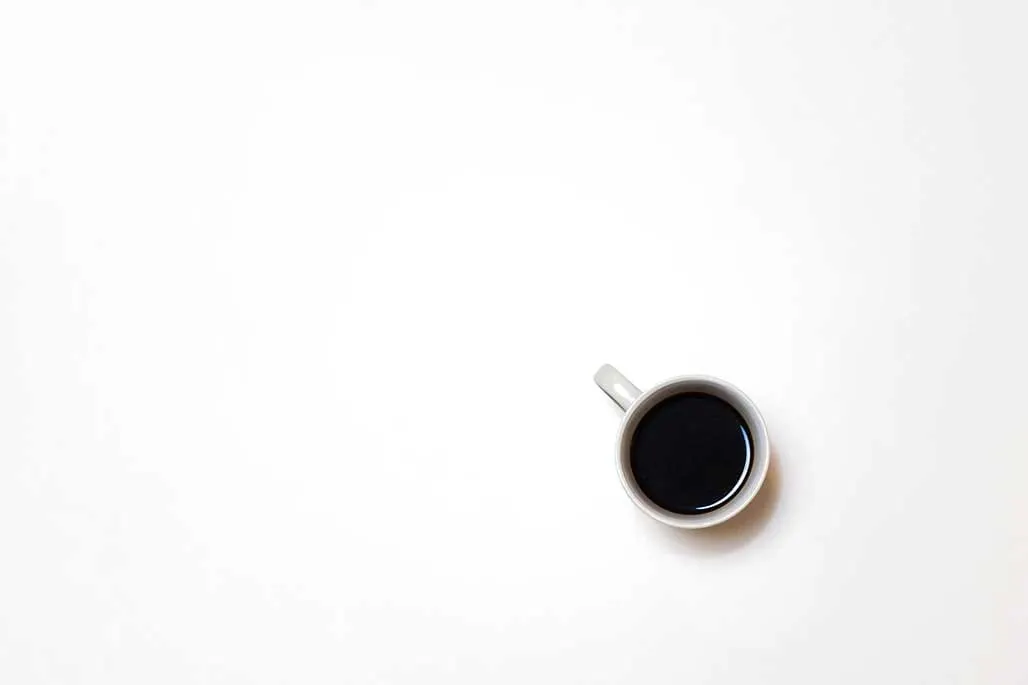
Bitter coffee is the one that makes you wince and reach for the sugar. Harsh, drying, a little aggressive. The good news: it's almost always one fixable thing, and you don't need new gear to sort it out. Nine times out of ten, bitter means you over-extracted, pulling too much out of the grounds, and the fix is to dial things back. Here's the quick version, then the why.
Quick fix checklist
- Grind too fine? Go a little coarser.
- Water too hot? Aim for just off the boil.
- Brewing too long? Shorten the steep or brew time.
- Using too much coffee? Ease off the dose a touch.
- Beans old or over-roasted? Try fresher beans, and store them well.
- Uneven extraction? Keep your grind consistent and wet the grounds evenly.
The one idea behind bitter coffee
Brewing pulls flavor out of the grounds in a set order: bright, acidic notes first, sweetness in the middle, then the harsh, bitter compounds last. Stop in that sweet middle and the cup is balanced. Push too far, by grinding too fine, brewing too hot, or steeping too long, and you drag out those last bitter compounds. That's over-extraction, and it's behind most bitter cups. It's the mirror image of sour coffee, which is under-extraction. Same dial, opposite ends. So every fix below is really one move: pull back a little.
5 reasons your coffee tastes bitter
1. The grind is too fine
This is the usual suspect. A finer grind exposes more surface area, so the water extracts faster and further, straight past balanced and into harsh. Go a notch coarser. Grind size is also brew-method specific, so here's a rough texture to aim for:
- AeroPress: coarse sand
- Chemex: sea salt
- Drip machine: kosher salt
- French press: kosher salt
- Hario V60: table salt
- Moka pot: table salt
2. The grounds steeped too long
With any steeping method, especially a French press, leaving the grounds sitting in water keeps extracting long past the good stuff. My magic number is four minutes: steep, then plunge and pour right away. Letting it sit "just a little longer" is how a good cup tips bitter.
3. Your water is too hot
The sweet spot is 195 to 205F, or about two to three minutes off a boil. Water hotter than that, or water you let over-boil, scorches the grounds and pulls out the bitter compounds you're trying to avoid. If you pour the second the kettle screams, give it a moment first.
4. It's not bitter, it's just not your roast
Taste is personal, and your expectations color everything. If you usually drink light roasts, a dark, roasty profile can read as bitter even when it's brewed perfectly. That's not a flaw in the coffee or your brew method, it's just a mismatch. Worth ruling out before you blame your grinder.
5. It's the color of your cup
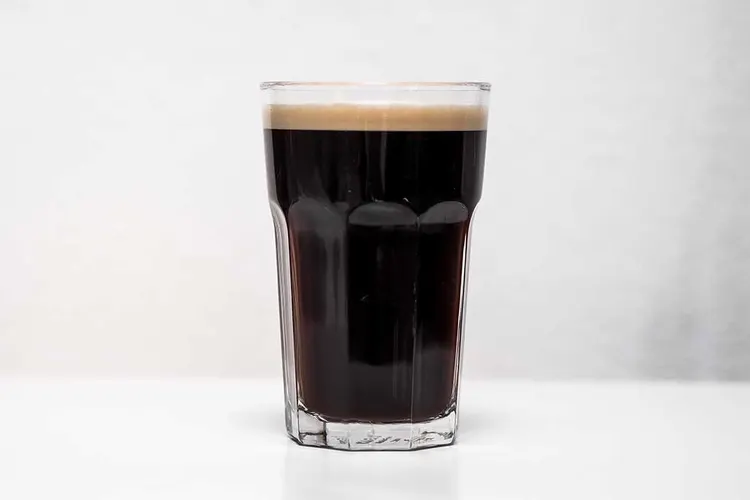
Who knew? Even with grind, roast, time, and temperature dialed in, there's a real psychological wrinkle: the color of your cup changes how bitter the coffee seems. Against a white mug, coffee's darkness reads as more intense. Sip the same coffee from clear glass with the light coming through, and your brain expects something lighter and sweeter. Try it sometime.
Bitter vs. sour coffee (what's the difference?)
Bitter coffee is over-extracted: harsh, dry, too intense. The fix is to pull back, with a coarser grind, slightly cooler water, or a shorter brew.

From our coffee sommelier
Maryna's weekly picks
“I taste thousands of coffees a year — I’ll only send you the few worth brewing.”
Something went wrong — please try again.
Free · Weekly · Unsubscribe anytime
Sour coffee is under-extracted: sharp, thin, unpleasantly tart. The fix is the opposite, with a finer grind, hotter water, or a longer brew. Full guide: why your coffee tastes sour.
Once you can tell which way your cup is leaning, you know which way to turn the dial.
One last thing: start with fresh beans
Stale, over-roasted beans taste harsh no matter how carefully you brew. So if you've worked through this list and the cup is still bitter, the beans themselves may be the problem. We send fresh-roasted, small-batch coffee from the best roasters in the country, picked to match how you like your cup. Build a coffee plan and give your morning a cleaner, sweeter place to start.
We want to help you make better coffee at home. Our recommendations are our own, and never sponsored. If you see something you love and buy it through our links, we may receive an affiliate commission (thanks for that!).
From our coffee sommelier
Maryna's weekly picks
“I taste thousands of coffees a year — I’ll only send you the few worth brewing.”
Something went wrong — please try again.
Free · Weekly · Unsubscribe anytime