Sustainable Coffee: What to Look For

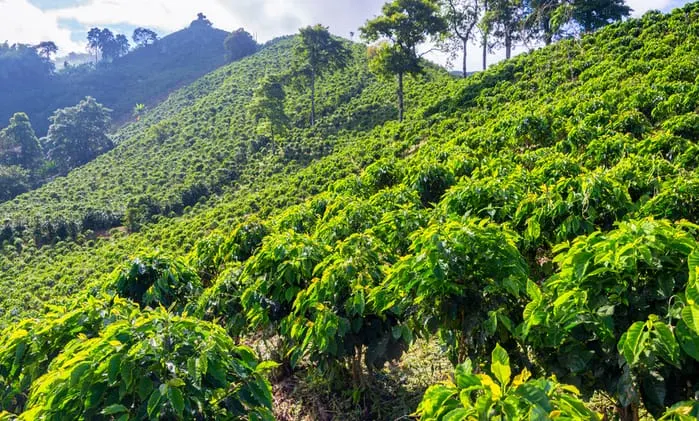
Sustainability in coffee can mean a lot of things, but most of it comes down to one idea: making sure coffee can keep being grown, sold, and enjoyed long-term—without causing harm along the way.
Whether you’re trying to buy more sustainable coffee, understand what “ethical coffee” actually means, or make sense of labels like organic, fair trade, and direct trade, it helps to break sustainability into a few simple categories.
Economic Sustainability
- Choose local coffee roasters, to bolster local economies and small businesses
- Favor roasters who conduct “direct trade” with farmers
- Opt for microlot, specialty coffees over inexpensive commodity beans
Social Sustainability
- Remember that economic sustainability = social sustainability for farmers
- Seek out roasters who feature “coffees for a cause” - building schools, providing living wages, etc.
Environmental Sustainability
- Organic certification doesn’t always mean sustainable
- Favor coffees sourced from specific, named, multi-generation farms
- Look for small run, hand-roasted microlots
Product Sustainability
- Avoid flashy, slick packaging, and instead look for kraft and other recyclable materials
- Buy only what you need (hint: try Bean Box 2-ounce sampler products!)
- Beware certification labels, as they generally mean big farms and commodity beans
- Coffee pods often create extra packaging waste, so they’re not usually the most sustainable option. That said, some brands now offer recyclable or reusable systems—so if you do use pods, look for options with a clear recycling program or a refillable format.
Many of our favorite coffees also participate in the virtuous cycles of sustainable farming practices and better wages for coffee growers,
making every sip even more enjoyable; check out our Curator's picks for Direct Trade, Fair Trade, and Organic Coffees. You can also read more about direct trade coffee.
Frequently Asked Questions
What makes coffee sustainable?
Sustainable coffee is coffee that’s grown and sold in a way that supports long-term farming, fair working conditions, and responsible environmental practices. It usually means paying attention to how coffee is sourced, how it’s grown, and how it’s packaged.
Is organic coffee always sustainable?
Organic coffee can be a good sign, but it’s not the full picture. A coffee can be organic and still have sustainability issues elsewhere in the supply chain—like low farmer pay or high-waste packaging.
Direct trade vs. fair trade: what’s the difference?
Fair trade is a certification system with specific rules and pricing standards. Direct trade usually means a roaster buys from a producer more directly, but it isn’t a regulated label—so it helps to look for details on how the roaster actually sources.
We want to help you make better coffee at home. Our recommendations are our own, and never sponsored. If you see something you love and buy it through our links, we may receive an affiliate commission (thanks for that!).

From our coffee sommelier
Maryna's weekly picks
“I taste thousands of coffees a year — I’ll only send you the few worth brewing.”
Something went wrong — please try again.
Free · Weekly · Unsubscribe anytime