The Honest Home Espresso Machine Guide: From $300 to $3,000 (And When to Stop)
 Maryna Gray
• July 16, 2026 — last updated July 21, 2026
Maryna Gray
• July 16, 2026 — last updated July 21, 2026
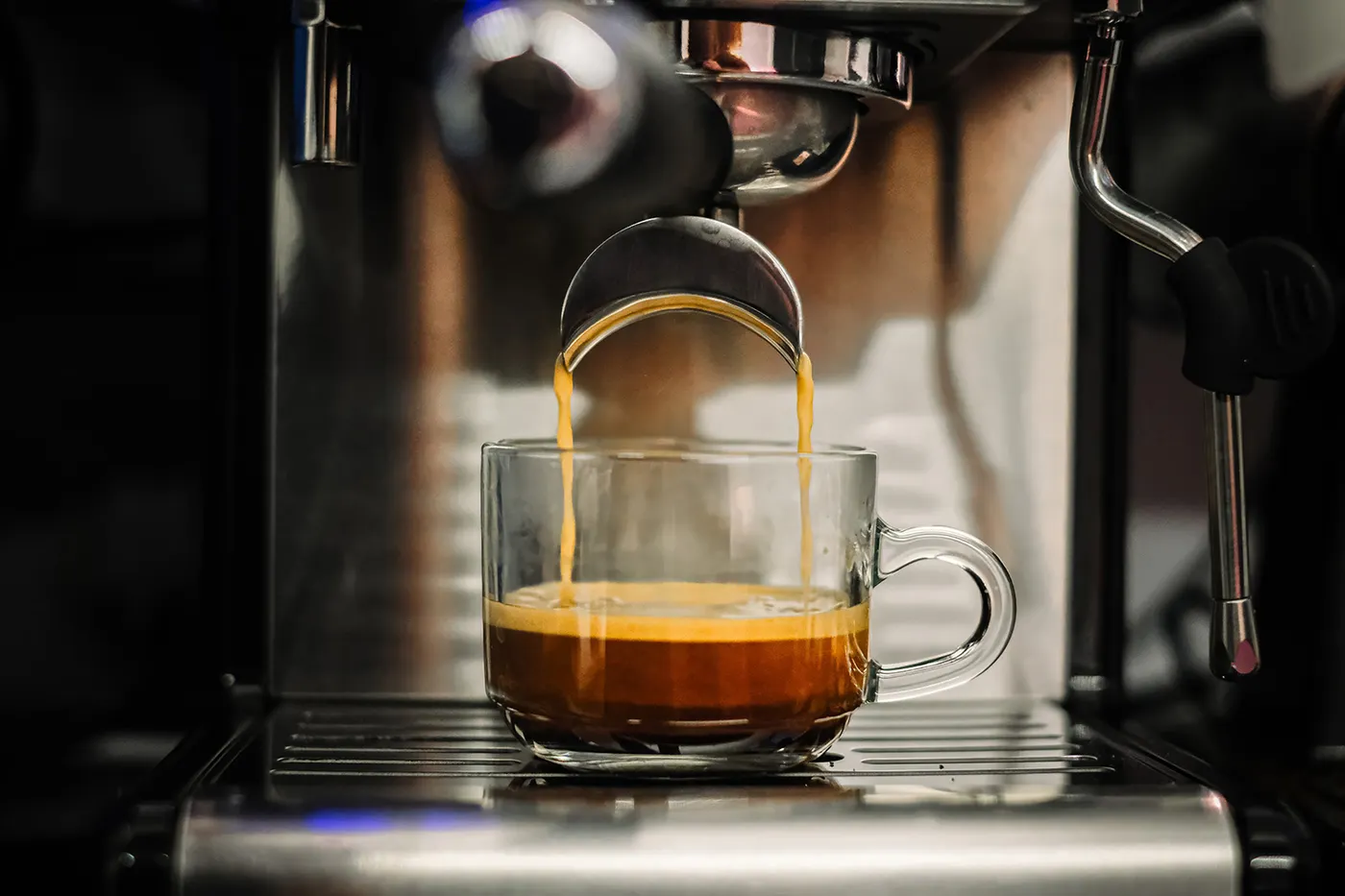
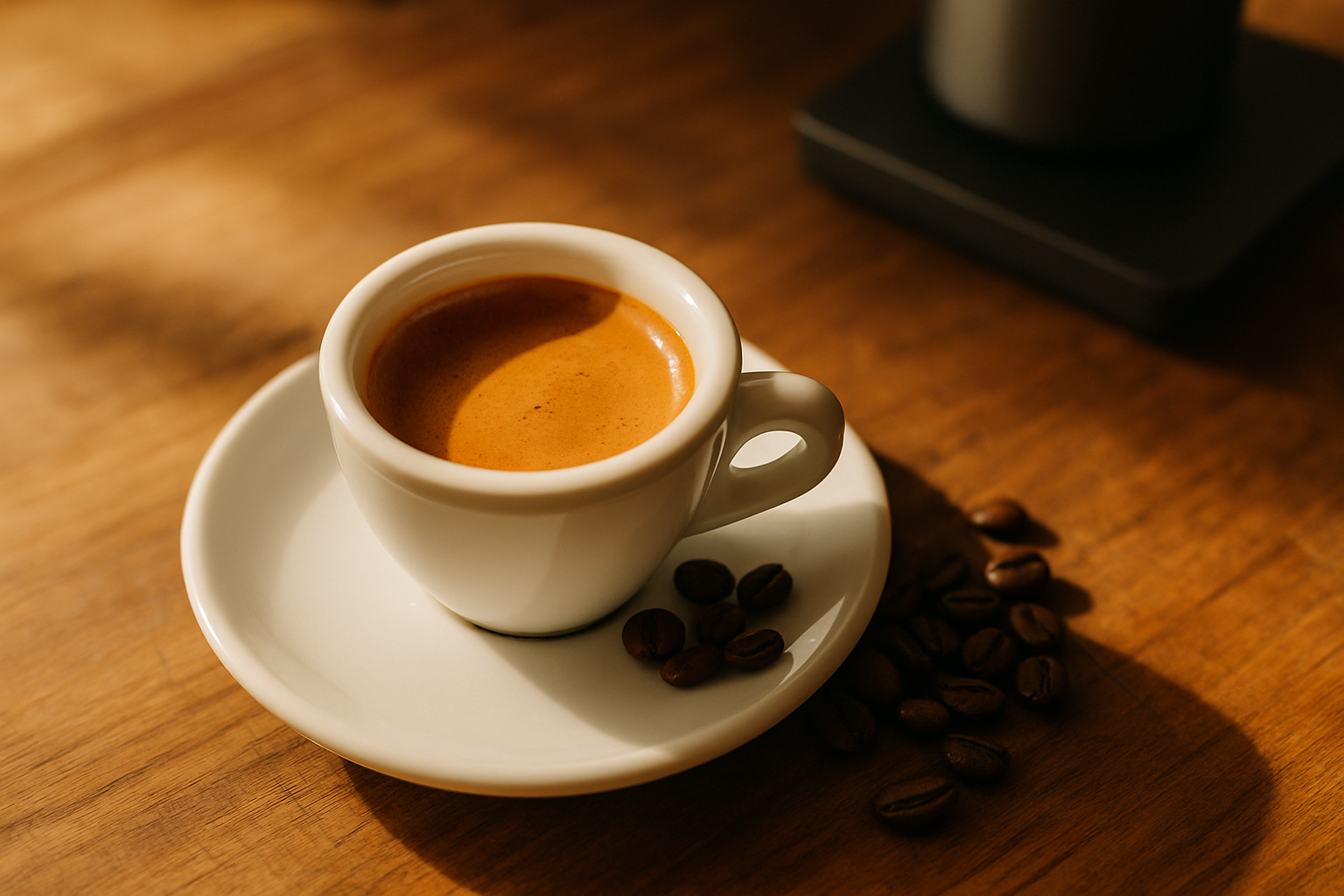
We've all stood in front of an espresso machine display at some point. Maybe at a friend's kitchen counter, maybe in a coffee shop's retail corner, maybe doom-scrolling Lelit reviews at midnight. The pull is the same. Pulling your own shot at home looks easy enough. Then you start pricing it, the numbers go from $300 to $3,000, and the rabbit hole becomes a mineshaft. You read three reviews and find three different "best" machines. You watch one YouTube barista call a $1,200 machine the obvious answer and another swear the only honest pick is a $3,000 prosumer. Nobody agrees. Everyone is also somehow selling something.
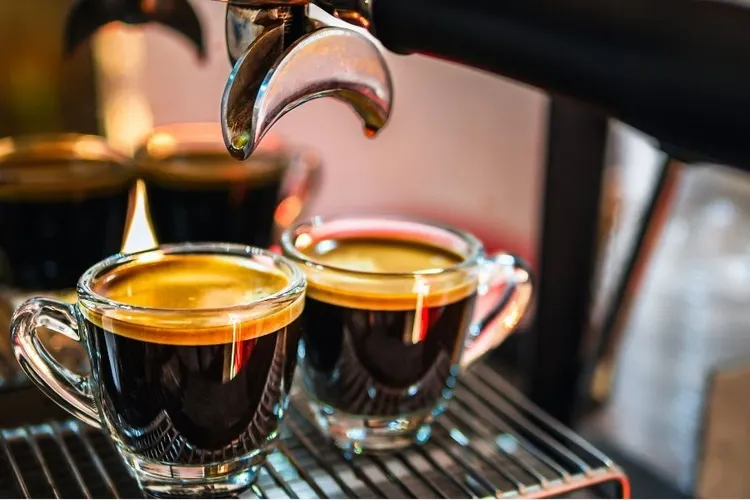
I want you to be able to walk away from this with a clear sense of which tier of machine produces the cup you want. That thick, syrupy, sweet shot with the golden crema on top. A steamed-milk capacity that doesn't make you wait between drinks. Without overpaying for engineering theater you'll never use.
I pull my own espresso at home most mornings. A perfectly-frothed cappuccino is my favorite drink beyond the basics. I've cupped through machines at every tier as a Cup of Excellence international juror, and I'll walk you through where each tier stops being worth it. One honest disclosure up front: Bean Box doesn't sell espresso machines. We sell coffee, from dozens of independent roasters across the US. That's exactly why I can be straight with you about which tiers are worth what. I have no stake in pushing you toward $3,000 when $1,200 will do.
This post is organized by price tier, not as a ranked listicle. The thesis is simple, and you should know it now. Above roughly $1,800, espresso doesn't get meaningfully better. It just gets more elaborate. Above $3,000, you're paying for diminishing returns. Most readers should land somewhere between $700 and $1,800. This post tells you where, and why.
The short answer
We all want a real espresso at home without setting $3,000 on fire, and the honest answer is that the sweet spot for most drinkers sits between $700 and $1,800. I'll walk you through what each tier buys you and where to stop.
- Spend on the grinder, not just the machine. A $1,200 machine plus a $500 grinder beats a $2,000 machine plus a $150 grinder every time.
- The sweet spot is $700–$1,800. Above that, you're paying for theater (or hobby) more than cup quality.
- Prosumer machines pay back in years, not features. An $1,800 dual-boiler properly maintained will outlive most kitchens. Call it $10 a month over fifteen years.
What actually matters (and what doesn't)
Before we walk the tiers, four things move the cup. Almost everything else is engineering theater.
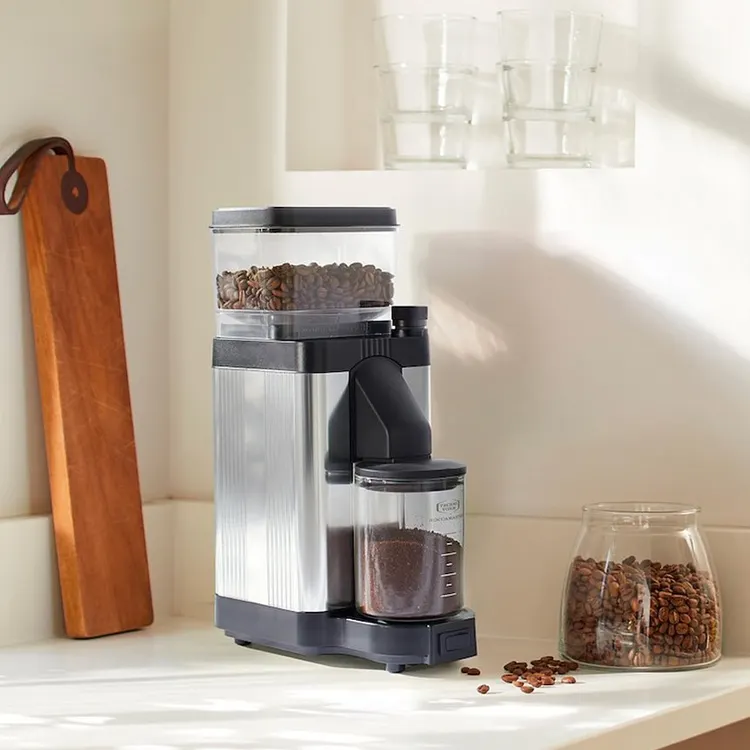
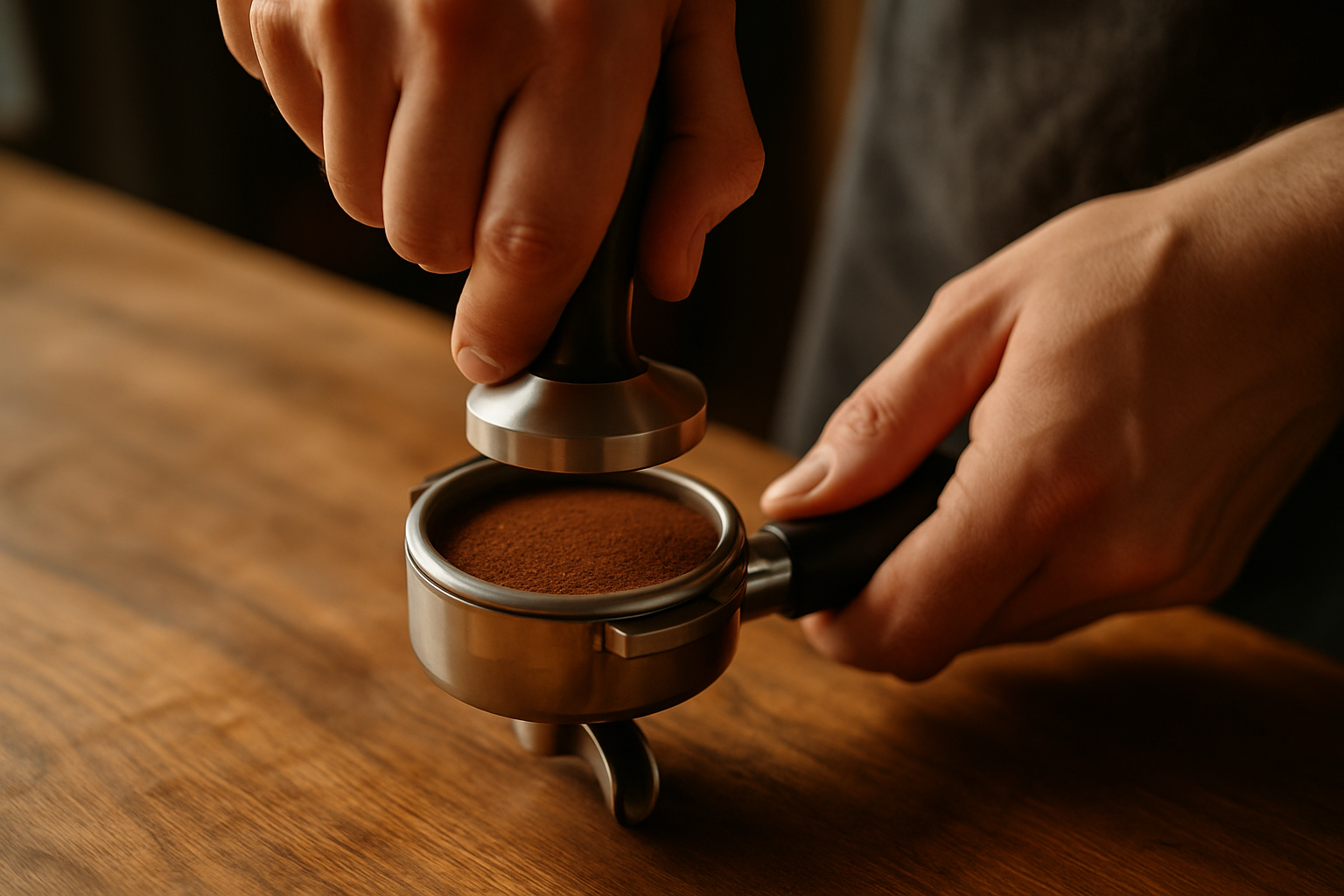
The grinder. A $1,200 machine paired with a $500 grinder will outperform a $2,000 machine plus a $150 grinder, every time, as Clive Coffee's machine-budget framework puts it. Espresso lives or dies at the grind. Grind too coarse and water blows through the puck and you get sour, watery shots. Grind too fine and the water can't move through, and you get bitter, choked, channelled shots. Half a number on a dial is the difference between a beautiful shot and a sad one. The burr-grinder-vs-blade guide is the companion piece on the grinder side of this decision.
Temperature stability. Without PID temperature control (PID stands for "proportional-integral-derivative," which is a fancy way of saying "the heater stops swinging wildly around its target"), brew water can swing 10 to 15°F across a single shot. Same coffee, different cup every time. The first sip is one extraction, the last sip is another. PID is the 2026 baseline for any machine you'd call "real."
Real 9-bar brew pressure. Espresso extracts at roughly 9 bar. That "15-bar pump" badge plastered on the front of consumer machines? It refers to the pump's maximum output, not what reaches the coffee bed. Marketing copy. As Cafe Bueno on the 15-bar marketing myth lays out, higher numbers are not a quality signal. Look for "9-bar brew pressure" specifically, or a calibrated over-pressure valve.
Steam capacity. If you drink milk drinks, the difference between waiting for a single boiler to switch from brew to steam temperature and pulling a shot while steaming milk simultaneously on a dual boiler is the difference between a five-minute morning and a fifteen-minute one. Worth thinking about before you buy.
Above roughly $1,800, the espresso in the cup doesn't get meaningfully better. The machine gets prettier, longer-lasting, more configurable, more interesting to operate. But the shot you pull from a $3,000 Lelit Bianca tastes the same as the shot you pull from an $1,800 prosumer next to it. What changes is how the machine gets you there, and how many years it survives you. That's a real upgrade, but it isn't a flavor upgrade.
Whatever tier you land at, you'll need beans for it. Most specialty espresso bags run roughly $18 to $24 from independent roasters, and a curated subscription means you don't have to hunt for them every two weeks. I'm Bean Box's curator, so my bias is obvious, but our Coffee Plan sends fresh espresso-recommended coffee on a cadence while you tinker. A quick myth bust while we're here: most espresso-recommended coffees in specialty roaster catalogs are medium-roast coffees, not dark-roast coffees. A clue about where modern specialty espresso is going. If someone has told you espresso has to be dark, that's an older instruction. Pull a medium-roast Colombian as a single-origin espresso and tell me you don't taste cocoa and brown sugar and ripe fruit, all at the same time.
Tier 1 — $300–$500: the "first real espresso machine" tier
This is where the Breville Bambino Plus lives. Real 9-bar brew pressure. PID temperature control. ThermoJet heat-up in about three seconds. An automatic milk frother that makes microfoam well enough for latte art. Around $300. It's the consensus "first real espresso machine" for a reason, and the consensus is right.
From our coffee sommelier
Maryna's weekly picks
“I taste thousands of coffees a year — I’ll only send you the few worth brewing.”
Something went wrong — please try again.
Free · Weekly · Unsubscribe anytime
What you give up at this tier is the single boiler. You'll wait between pulling a shot and steaming milk while the heater swaps from brew to steam temperature. The milk frother is automatic, not a real steam wand. You set it, it does its thing, you don't get to manipulate the microfoam manually. The shot quality is real. The workflow is the limit, not the cup. You'll outgrow how the machine works before you outgrow what it produces.
What you should avoid below this tier matters more than what you should embrace within it. Below $200 is pressurized-portafilter territory. Those machines force water through a small restrictor that fakes the look of crema without actually extracting at 9 bar. Coffee-flavored foam, not espresso. The Bambino is the floor for "real" espresso at home.
The honest call: if you drink one or two milk drinks a day and don't want to learn a steam wand, this is where to land. Pair it with a real grinder (your grinder budget should still be $300 to $500, more than the machine itself), drink your shots with milk, and don't shop further until you genuinely want to. The Bambino is a forever machine for plenty of drinkers I know.
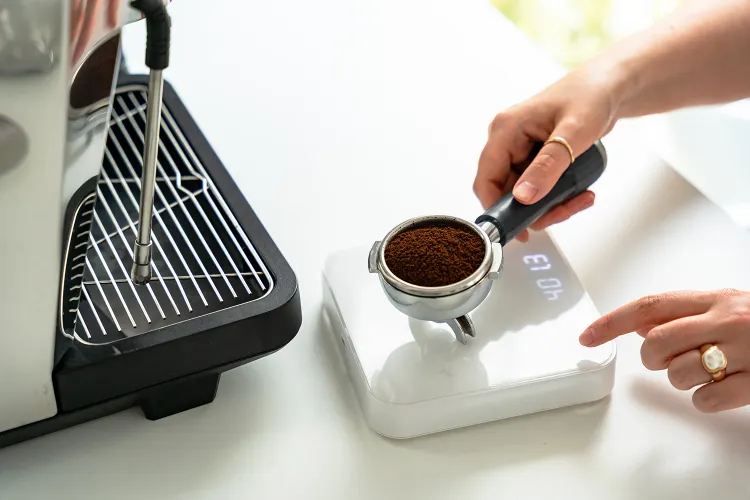
When NOT to upgrade yet. If you've had a Bambino for six months and still aren't experimenting with grind size or weighing your dose, your espresso isn't being held back by the machine. It's being held back by the workflow. A bigger machine won't fix that. Get a scale, a timer, and a real grinder first. The Bambino will surprise you once you give it a real grinder to work with.
Tier 2 — $500–$1,000: "everything in one box" or "buy once cry once"
This tier has two personalities, and they go in opposite directions. The Breville Barista Express philosophy is everything in one box, integrated grinder included. The Gaggia Classic Pro / Rancilio Silvia philosophy is fewer features, but the machine outlives the kitchen.
The Barista Express territory sits at roughly $700. A 40mm conical burr grinder built into the machine, 16 grind settings, a real steam wand, PID. The most forgiving "one purchase, done" path for a beginner who doesn't want to assemble a setup from parts. The trade-off: the built-in grinder is competent but not great. The day you start chasing the difference between a 17-second and a 27-second shot, you'll want a separate grinder. By then you've already spent $700 on a machine whose grinder you're about to bypass. The Express isn't a bad pick. It's a great first machine for the right person. Just know what you're trading.
Gaggia and Rancilio territory sits at $450 to $700. The Gaggia Classic Pro and Rancilio Silvia are the "buy once, cry once" picks of this tier. Fewer features. Spartan, even. But these machines are infinitely repairable: every gasket, switch, and pump is a $20 part you can swap with a YouTube tutorial. There are 15-year-old Classic Pros still pulling shots every morning. The current Classic Pro generation typically includes PID, a three-way solenoid (which means clean pucks instead of muddy ones), and a real commercial portafilter.
The honest call here is a fork. If you want to walk into a kitchen and start pulling shots in 20 minutes, get a Barista Express. If you want a machine that will outlive your kitchen renovation, get a Classic Pro plus a $400 grinder. Total spend lands similar. Lifespan is wildly different. Entry-level all-in-ones often last roughly three to five years. A Classic Pro maintained properly will run for ten to twenty.
When NOT to upgrade yet. Stay here longer than you think you should. Most of the espresso improvement above $1,000 is workflow and longevity, not flavor. If you're happy in the cup, the only good reasons to climb the ladder are "I want to steam milk and pull a shot simultaneously" or "I want a machine I'll fix instead of replace." Both are valid. Neither is urgent.
Once your machine lands and your grinder is dialed, you'll need beans built for espresso. Coffees for espresso is where dozens of espresso-recommended bags from our roaster partners live. Pull a few different origins through your setup. You'll notice the personality of each one more sharply through espresso than through filter brewing.
Tier 3 — $1,000–$2,000: the actual sweet spot
This is the tier the rest of the post is built around. Above $1,000, machines stop making compromises on temperature stability, pressure stability, and steam capacity. Below $2,000, you're not yet paying for prosumer-status engineering you won't use. The cup-quality-to-dollar ratio peaks somewhere in this band.
What you get at this tier is the real deal. PID temperature control as standard, calibrated tighter than at the lower tiers. Real 58mm commercial portafilters, the same size your local cafe uses. Heat-exchanger boilers (HX) at the lower end, dual boilers at the upper end. Real steam wands you can manipulate by hand to chase the microfoam you want. Build quality you'd describe as stainless and heavy rather than plastic and clever. Lifespans north of ten years if you maintain them, which mostly means descaling every few months and replacing a $10 gasket a couple times a year.
Naming names: the Lelit Victoria, Lelit Elizabeth, and Lelit Mara X (heat exchanger) live in this band. The Profitec Pro 300 brings dual-boiler engineering in at the upper end of the tier. The Turin Legato is the 2026 disruptor, dual-boiler engineering at $1,300, the price story of the year. Cliff & Pebble's 2026 prosumer roundup calls out the Turin as the machine to watch for exactly this reason. This is the band where Italian-engineered espresso comes home for under two grand.
Heat exchanger versus dual boiler at this tier: an HX boiler lets you pull a shot and steam milk simultaneously by passing brew water through a heat-exchange tube inside the steam boiler. Mostly works like a dual boiler at half the complexity. A true dual boiler gives you independent temperature control for the brew and steam circuits, which matters if you're chasing temperature surfing or you make a lot of milk drinks back-to-back. For most home setups, HX is plenty.
Cost-per-year math is where this tier really lands. An $1,800 machine running fifteen years is $120 a year. About $10 a month. Most drinkers pay more in coffee shop visits in a single month than the amortized cost of the machine that replaces those visits. The same math doesn't work at the entry tier and breaks down above the next tier — a $3,000 prosumer over fifteen years is $200 a year, which is fine, just not better espresso for the difference.
When NOT to upgrade yet. If you don't make milk drinks, you don't need a dual boiler. A single-boiler PID machine at half the price gets you the same shot quality. Don't buy steam capacity you'll never use.
Tier 4 — $2,000–$3,000: prosumer (and the ceiling)
Above $2,000 is prosumer territory, the home version of commercial-grade machines. The Lelit Bianca V3 at around $3,000 is the canonical answer. Dual boiler, E61 group head, flow control paddle for pressure profiling, the works. The Profitec Pro 700 at around $3,200 is the German counterweight. Fewer features, but engineered to last twenty years.
At this tier, you're paying for the engineering, not the espresso. Pressure profiling lets you change the pressure across a shot: start low to "pre-infuse" the coffee bed, ramp up to extraction pressure, taper down at the end. Flow control on the Bianca lets you do similar things by changing the water flow rate manually with a paddle. Plumbed-in water lines (a Cliff & Pebble-documented prosumer feature) mean you can run the machine off your kitchen plumbing instead of refilling a reservoir. Rotary pumps replace vibratory pumps, quieter and longer-lived. Build quality so heavy you'll think twice about where you put it. Service life of fifteen to twenty years and more.
The cup, though, stays the same. A well-pulled shot from an $1,800 Mara X tastes identical to a well-pulled shot from a $3,000 Bianca. That isn't an insult to the Bianca. It's just physics. Espresso extracts at 9 bars, water comes out at brew temperature, contact time is roughly 25 to 30 seconds. The Bianca lets you change how you get there. The flavor at the end is the same.
When this tier is genuinely worth it: three real cases. One, you make twenty drinks a day (a small office, a big household, regular guests) and you need a machine that won't quit. Two, you genuinely want to profile shots: slow ramps for light roasts, full pressure for darker ones. The shot doesn't get better, but it gets more interesting, and some drinkers love that. Three, you want a Lelit-looks-good-on-a-counter machine and you have the budget. All three are real cases. They're just smaller groups than the industry implies, as Coffeeness's home espresso ceiling flatly states with its hard $3,000 cap.
Above $3,000 is enthusiast-only territory. La Marzocco Linea Mini, Slayer Single Group, the upper Profitec range. Beautiful machines, deeply over-specified for home use. Very few drinkers can taste the difference between a $3,500 shot and an $1,800 shot in a blind cupping. Stop here.
Don't overthink it — what to actually buy
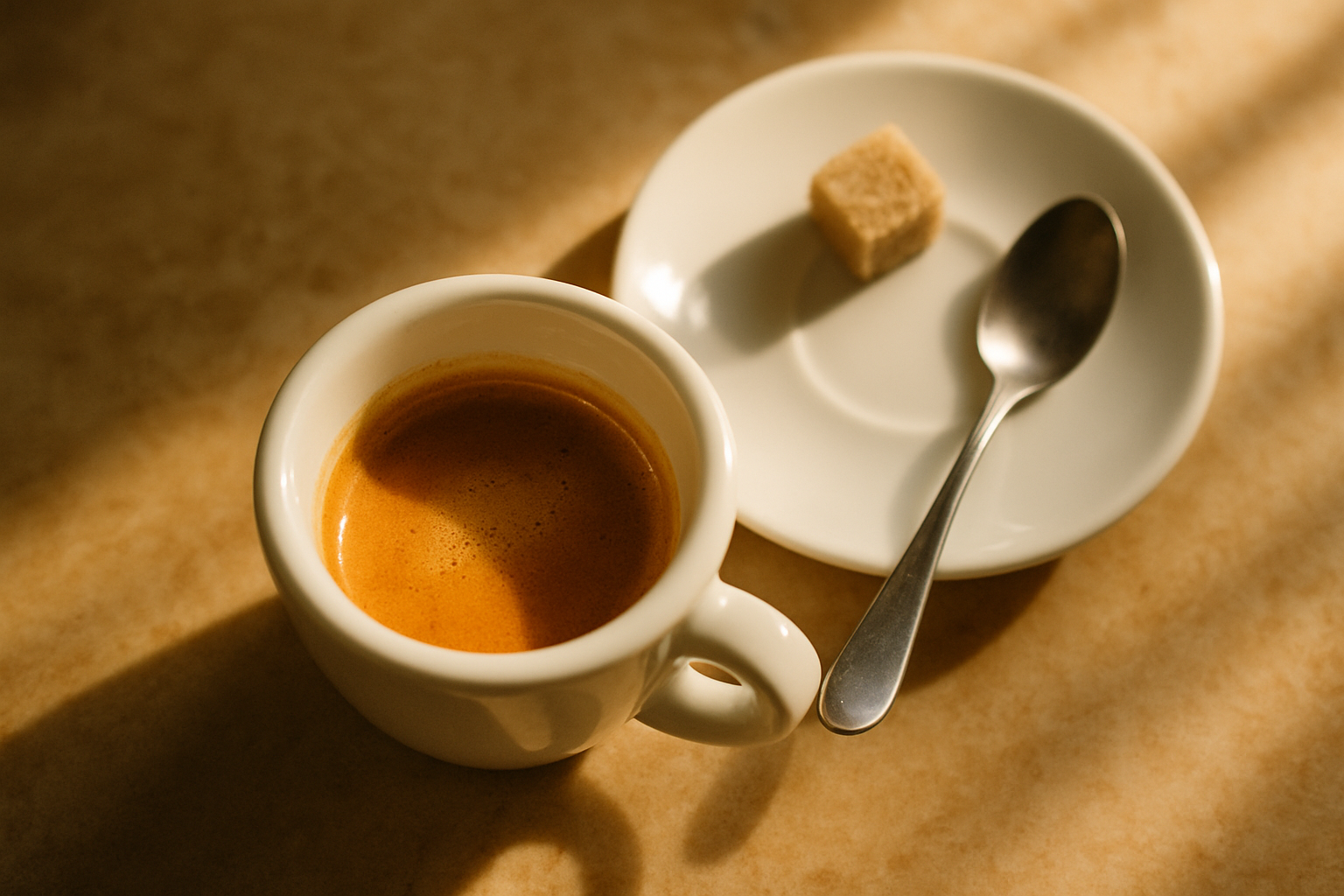
If you came here for a number, here it is. Most home drinkers should spend $700 to $1,800 on the machine and $300 to $700 on the grinder. The Breville Bambino Plus at the low end is a great starter (and a great forever machine for some drinkers). The Gaggia Classic Pro is the durable middle. A Lelit Mara X or the Turin Legato at the upper end is where most home espresso enthusiasts wind up and stay. Above that is hobby spending, not flavor spending.
The honest disclosure, one more time. Bean Box doesn't sell espresso machines. We sell coffee, including dozens of espresso-recommended bags from independent roasters across the US. That's exactly why I can write this — I have no financial stake in pushing you to $3,000 instead of $1,200. Most "best espresso machine" guides are written by retailers. This isn't.
Whatever you land on, plan to spend the first two weeks dialing it in. Your grind, dose, and pull time all need to converge before the machine shows you what it can do. The first shot almost never tastes the way you expect. The tenth one might. The fiftieth probably will. The stopwatch-paced dial-in protocol is its own piece on getting through those first two weeks faster.
And if you don't want to hunt for fresh espresso beans every two weeks while you're settling in with your gear, our Coffee Plan sends curated espresso-recommended coffee on a cadence. Same three-question framework as any other Bean Box order, just running on autopilot. Pour the shot. Steam the milk. Enjoy your cappuccino. That's the whole point.
Happy pulling.
We want to help you make better coffee at home. Our recommendations are our own, and never sponsored. If you see something you love and buy it through our links, we may receive an affiliate commission (thanks for that!).
From our coffee sommelier
Maryna's weekly picks
“I taste thousands of coffees a year — I’ll only send you the few worth brewing.”
Something went wrong — please try again.
Free · Weekly · Unsubscribe anytime