Guatemalan Coffee: Regions, Flavor, and What Makes It Special
 Maryna Gray
• March 25, 2021 — last updated June 15, 2026
Maryna Gray
• March 25, 2021 — last updated June 15, 2026
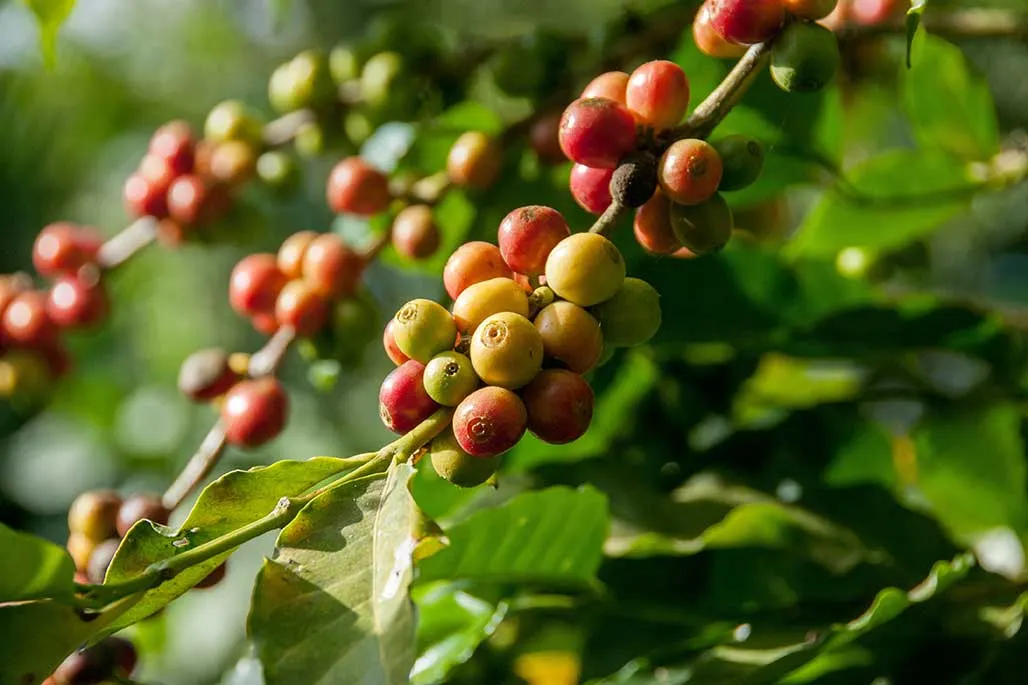
If you asked me to pick one origin that almost never disappoints, Guatemala would be near the top of the list. It's the coffee I reach for when I want something with real depth that still tastes bright and alive. Guatemalan coffee has a reputation for complexity: chocolate and caramel richness with a clean, sparkling acidity, grown in some of Central America's most dramatic volcanic highlands. Here's what makes it special, the regions worth knowing, and how to get the best out of a bag.
The short answer
We all want a coffee that's rich and interesting at once, and Guatemala delivers exactly that, so here's how to find and brew a great one.
- Tastes like: chocolate and caramel with a bright, smooth acidity and gentle spice.
- Best regions: Antigua, Huehuetenango, and Atitlán lead the way.
- Best roast: medium, to balance the body and the brightness.
- Buy: a named region or farm, fresh and whole bean.
What does Guatemalan coffee taste like?
The word people reach for with Guatemalan coffee is "complex." Expect chocolate and caramel sweetness, a full, satisfying body, and a bright acidity that keeps it from feeling heavy, often with a whisper of spice or cocoa. It's a coffee that rewards attention but never demands it; it's just as happy as your everyday cup as it is on a careful pour-over. The volcanic soil and high altitude are a big part of why it tastes so layered.
The regions of Guatemala
Guatemala recognizes eight distinct coffee regions, and a few stand out:
- Antigua: the most famous, balanced, chocolaty, full-bodied, with subtle spice. Grown in a valley ringed by volcanoes.
- Huehuetenango: high and remote, producing brighter, fruitier, more vivid cups.
- Atitlán: rich and full-bodied, grown around the volcanic lake.
- Cobán, San Marcos, Fraijanes, Nuevo Oriente: each with its own microclimate and character.
When a bag names its region (or better, the farm), you're getting traceability and usually a more distinctive cup.
How to brew it
Guatemalan coffee is wonderfully versatile, which is part of why it's so beloved:
- Pour-over (a Chemex or V60) highlights the brightness and clarity, especially with a Huehuetenango.
- Drip or French press leans into the chocolate-caramel body.
- Espresso is reliably delicious, sweet and balanced.
A medium roast is the classic choice, balancing the body and the acidity. Lighter roasts show off the high-grown fruit; darker roasts trade nuance for boldness.
Choosing a Guatemalan coffee
Look for a named region or single farm, a recent roast date, and whole beans. That combination is what turns "Guatemalan coffee" from a commodity into something genuinely memorable. You can browse our Guatemala coffees and chocolaty coffees, or build a coffee subscription and we'll send fresh-roasted single origins from dozens of independent US roasters.
Frequently asked questions
What does Guatemalan coffee taste like? Complex and balanced: chocolate and caramel, a bright acidity, gentle spice.
Main regions? Antigua, Huehuetenango, and Atitlán, plus Cobán, San Marcos, Fraijanes, and Nuevo Oriente.
Is it strong? Full-bodied and flavorful rather than heavy, unless roasted dark.
Best roast? Medium for balance; lighter to highlight the fruit.
How to brew? Versatile, pour-over for brightness, drip or French press for body, great as espresso too.
One last cup
Guatemalan coffee is the rare origin that's both rich and bright, comforting and interesting. Pick a coffee that names its region, keep the roast around medium, and brew it however suits your mood. It's one of the most rewarding cups in coffee, and one of the easiest to love.
We want to help you make better coffee at home. Our recommendations are our own, and never sponsored. If you see something you love and buy it through our links, we may receive an affiliate commission (thanks for that!).