Ethiopian Yirgacheffe Coffee: What It Is, How It Tastes, and How to Brew It
 Maryna Gray
• March 25, 2021 — last updated June 15, 2026
Maryna Gray
• March 25, 2021 — last updated June 15, 2026
If you've ever had a coffee that tasted like jasmine tea and lemonade and made you put the cup down to ask what on earth you were drinking, there's a good chance it was a Yirgacheffe. Pour-over is my daily method, and a bright washed Yirgacheffe is exactly the kind of cup I reach for when I want coffee to surprise me. Ethiopia is where coffee comes from, and Yirgacheffe is one of its crown jewels: delicate, floral, and unmistakable. Here's what it is, what it tastes like, how processing changes everything, and how to brew it so it sings.
The short answer
We all have a coffee that rewired what we thought coffee could taste like, and for a lot of us it was a Yirgacheffe, so here's how to find and brew a great one.
- What it is: coffee from a small, high-altitude area in southern Ethiopia, prized for floral, tea-like delicacy.
- Washed tastes clean and floral (jasmine, citrus, bergamot); natural tastes fruity and wild (blueberry, strawberry).
- Brew it as a pour-over with a light roast to show off its clarity.
- Buy it fresh and whole bean; the florals fade fast.
What is Yirgacheffe?
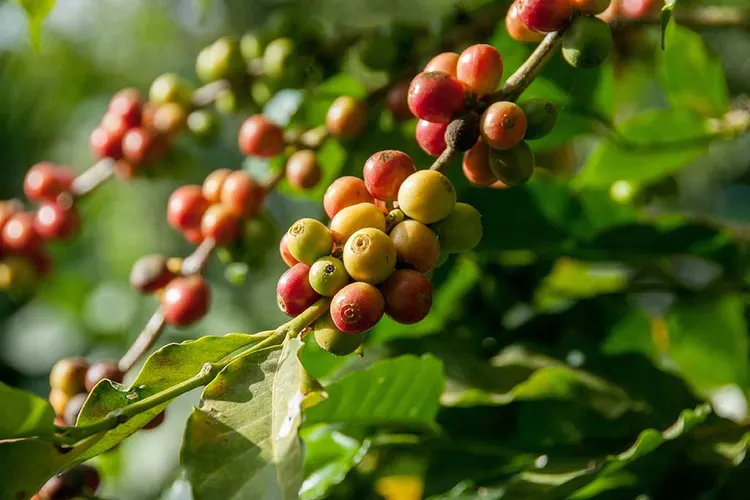
Yirgacheffe (you'll also see it spelled Yirgachefe) is a small growing area within the Gedeo Zone of southern Ethiopia. Coffee grows there at high altitude, often 1,700 to 2,200 meters, on small family plots, frequently mixed in among other crops in what's called garden coffee. The varieties are mostly indigenous Ethiopian heirlooms, a genetic diversity you don't find anywhere else, and it's a big part of why the coffee tastes the way it does.
The name carries real weight in specialty coffee. Yirgacheffe built its reputation on clean, floral, almost tea-like cups, to the point that "Yirgacheffe" is shorthand among roasters for a certain kind of elegance. It's worth saying, though, that it's one celebrated region within Ethiopia, not a synonym for all Ethiopian coffee. (For a deeper map of Ethiopia's regions, Perfect Daily Grind has a good guide.)
What does Yirgacheffe taste like?
This is the fun part. Yirgacheffe is light-bodied and aromatic rather than bold and heavy, and the exact flavors depend heavily on how the coffee was processed (more on that next). In broad strokes, expect:
- Florals: jasmine, honeysuckle, sometimes a rose or bergamot note that reads almost like Earl Grey tea.
- Citrus and fruit: lemon, lime, stone fruit; in naturals, berries and tropical fruit.
- A clean, tea-like body and a bright, lingering finish.
It's the opposite of a dark, smoky, heavy cup. If you've only had coffee that tastes "like coffee," a Yirgacheffe is the one that shows you fruit and flowers were in there all along.
Washed vs. natural Yirgacheffe
The single biggest factor in how a Yirgacheffe tastes is its processing, which is how the fruit is removed from the bean after picking.
| Washed | Natural | |
|---|---|---|
| How | Fruit removed before drying | Dried inside the whole fruit |
| Taste | Clean, floral, citrus-forward | Fruity, wild, berry and tropical |
| Body | Lighter, tea-like | Heavier, syrupy |
| Vibe | Elegant and precise | Bold and juicy |
Neither is better; they're moods. A washed Yirgacheffe is jasmine and lemon, crystal clear. A natural is blueberry and strawberry jam. I get excited about both, but a bright, fruit-forward natural is the kind of light roast that genuinely makes me grin. If you want the full picture of how processing shapes flavor, we wrote about how coffee processing changes your cup.
The sub-regions
Within Yirgacheffe, you'll see washing-station and woreda (district) names that coffee people chase: Kochere, Gedeb, Idido, Konga, Aricha. They're worth knowing because they show up on bags and signal traceability, but you don't need to memorize them. The headline is simple: a bag that names its specific washing station or producer is usually a sign of care and quality. Buy the story and you usually buy the cup.
Yirgacheffe vs. other Ethiopian coffees
Ethiopia is a whole world of coffee, and Yirgacheffe is one corner of it. If you love its florals, a few neighbors are worth trying. Sidama (often spelled Sidamo) tends toward bright and fruity with a touch more body. Guji has earned a reputation for big, wild, fruit-forward naturals. Limu and Harrar each bring their own character. They're all distinct, but they share Ethiopia's signature aromatic brightness, so if Yirgacheffe is your gateway, the rest of the country is a happy rabbit hole.
How to brew Yirgacheffe
Yirgacheffe is built for clean, gentle brewing that gets out of the coffee's way. My strong recommendation: a pour-over with a light roast.
- Method: a pour-over like a Chemex or V60. The clean cup these make is perfect for showing off Yirgacheffe's florals and citrus.
- Roast: light to light-medium. A dark roast buries everything that makes Yirgacheffe special.
- Ratio: 1:16 by weight (say 25 g coffee to 400 g water), medium-coarse grind, water around 200°F.
It also makes a gorgeous iced pour-over in summer, where the cold sharpens the citrus. It's not the coffee I'd reach for in an espresso machine or a dark, milky drink; its gifts are clarity and aromatics, and those want a light touch.
Where to find a great Yirgacheffe
Because Yirgacheffe lives on its delicate aromatics, two things matter more than anything: a light hand on the roast, and freshness. Those florals are the first thing to fade, so a stale bag or a too-dark roast loses exactly what you came for. Look for whole bean, a recent roast date, and a roaster who lets the coffee stay bright.
We work with roasters across the US who do beautiful things with Ethiopian coffee. You can browse our Ethiopia coffees and light roasts, or build a coffee subscription and let us send you fresh-roasted single origins, Yirgacheffe and beyond, from dozens of independent roasters.
Frequently asked questions
What does Yirgacheffe taste like? Floral and tea-like. Washed: jasmine, citrus, bergamot. Natural: blueberry, strawberry, syrupy body.
Is it a strong coffee? It's bright and light-bodied, not heavy. Elegant rather than punchy.
Washed vs. natural? Washed is clean and floral; natural is fruity and wild. Same region, different processing.
Is Yirgacheffe the same as Ethiopian coffee? No, it's one celebrated region within Ethiopia, alongside Sidama, Guji, and others.
How should I brew it? Pour-over, light roast, 1:16 ratio, about 200°F.
Best roast level? Light to light-medium, to keep the florals.
One last cup
Yirgacheffe is the coffee I hand people when they say they don't like coffee, because it doesn't taste like what they're picturing. It tastes like flowers and citrus and tea. Buy it fresh, keep the roast light, brew it gently as a pour-over, and let it remind you how wild and beautiful coffee can be.
We want to help you make better coffee at home. Our recommendations are our own, and never sponsored. If you see something you love and buy it through our links, we may receive an affiliate commission (thanks for that!).