Cold Brew vs. Iced Pour Over vs. Japanese Iced: Which Iced Coffee Suits Your Beans?
 Maryna Gray
• September 17, 2026 — last updated September 22, 2026
Maryna Gray
• September 17, 2026 — last updated September 22, 2026
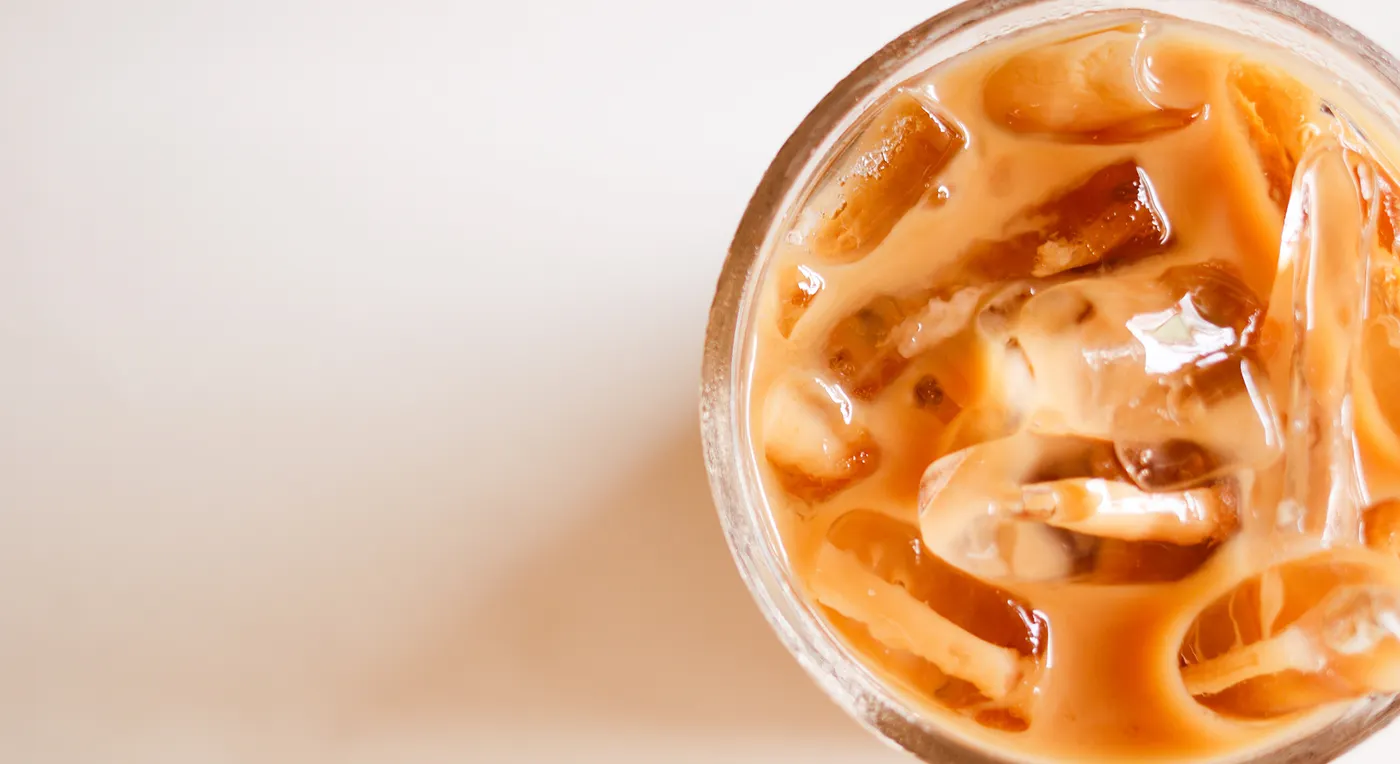
We've all stood in front of the fridge on a hot afternoon wanting iced coffee, and most of us just grab whatever's easiest without realizing there are three completely different drinks hiding under that one little name. One person's "iced coffee" is the velvety, chocolate-rounded smoothness of cold brew. Another's is the bright, juicy, almost tea-like sparkle of a Japanese flash brew. A third's is the honest, full-flavored snap of coffee brewed hot and poured straight over ice. Same two words, three totally different cups.
And which one you should make has almost nothing to do with the method itself and everything to do with the beans already sitting in your cupboard. The exact same bag can taste rounded and sweet one way and fruity and electric another. Pick the wrong pairing and a gorgeous light Ethiopian goes flat, or a chocolatey blend turns thin and sour.
So before we touch a single recipe, I want to sort out what we're actually choosing between. I'll walk you through all three, explain why they taste so different in plain language, then hand you a simple way to match the method to the beans you already love. I'll keep it plain, and I've got you.
Here's the deal
We all love iced coffee, but which one you should make comes down to your beans: cold brew for smooth, chocolatey medium-and-dark roasts; Japanese flash brew for bright, fruity light roasts; and hot-brewed-over-ice when you just want a fast, familiar cup. And I'll show you how to pick.
- Cold brew steeps 12 to 24 hours, lands the smoothest and lowest in acid, and keeps for days in the fridge. It loves medium-to-dark, chocolatey, nutty beans.
- Japanese iced (flash brew) takes about four minutes, comes out the brightest and most aromatic, and you drink it the same day. It loves light, single-origin, fruity coffees.
- Iced pour over (hot-brewed-over-ice) is the everyday middle ground: the same character as your hot cup, just chilled. Best with a balanced medium.
What you're actually choosing between
Let's get the names straight, because this is exactly where most guides leave you guessing.
Cold brew is cold water and a long, patient steep. You combine coarse grounds with cold or room-temperature water, walk away for half a day, then strain. No heat ever touches it.
Japanese iced coffee, also called flash brew or flash-chilled, is hot brew that lands straight onto ice. You brew almost exactly like a normal pour over, except a chunk of your ice sits in the carafe so the coffee chills the instant it drips through.
Iced pour over is the looser, everyday version: brew your coffee hot, then chill it over ice. And here's the overlap worth flagging, because it trips everyone up: a flash brew done on a dripper IS an iced pour over. The difference is mostly intention. Flash brew is the careful, ratio-counted version; "iced pour over" is what most of us mean when we just dump a hot cup over a glass of cubes.
Here's how the three stack up:
| Method | Brew time | Flavor profile | Best roast | Shelf life | Gear |
|---|---|---|---|---|---|
| Cold brew | 12–24 hr | smooth, sweet, low-acid, full body | medium–dark | about 1–1.5 weeks, fridge | jar or cold-brew maker |
| Japanese flash brew | ~4 min | bright, floral, aromatic, tea-like | light single-origin | drink same day | V60 or Aeropress + ice |
| Hot-over-ice (iced pour over) | ~4 min | familiar hot-brew character, livelier acidity | medium | same day | any dripper + ice |
One thing the table can't carry: cold brew strength depends entirely on how you dilute it. A concentrate brewed thick is not meant to be sipped straight, and brew time is as much a lifestyle choice as a flavor one. More on both below.
Why they taste so different, in plain English

The clearest way I've found to think about this comes from Kean Coffee's breakdown of cold brew versus iced pour over, which sorts it into three plain variables: solubility, volatility, and oxidation.

From our coffee sommelier
Maryna's weekly picks
“I taste thousands of coffees a year — I’ll only send you the few worth brewing.”
Something went wrong — please try again.
Free · Weekly · Unsubscribe anytime
Solubility first. Hot water dissolves more of the coffee, including more of its acids, so a hot-brewed cup tastes livelier and a little sharper. Cold water pulls fewer compounds and gentler ones, which is why cold brew tastes so rounded. Kaldi's Coffee notes that cold-extracted acids are basically weaker, pointing to a Scientific Reports study, and you can taste it the moment a cold brew hits your tongue: no snap, all smoothness.
Volatility is the aroma side. Hot brewing releases the volatile aromatic compounds that make coffee smell like itself, and they'd normally float off as steam. Flash-chilling on ice catches them before they escape, which is why a flash brew smells like the inside of a fruit basket and tastes bright the whole way down. Podium Coffee Club describes it as locking those aromatics into the cup. Cold brew never extracts most of them in the first place.
Oxidation is the last piece: that fast chill also protects the coffee's oils from going flat. Now, here's where I'll gently push back on the internet. There's a loud "flash brew always wins" crowd, and I don't buy it. Acidity isn't a flaw. As Peet's puts it, acidity equals liveliness, and that brightness is the same thing that makes a light Ethiopian sing. Cold brew trades it for smoothness on purpose. Neither is better. They're different, and the right one is the one that fits your beans and your mood.
Cold brew: smooth, patient, and built to keep

Cold brew is for the make-a-batch-on-Sunday, sip-it-all-week crowd. It's low in acid, gently sweet, and full-bodied, like the cashmere sweater of iced coffees: soft, heavy in the best way, easy to live in. If you take your iced coffee with a splash of milk or cream, cold brew is the friendliest base there is.
On ratio, sources land in a sensible range. America's Test Kitchen builds concentrate at about 1:3 coffee-to-water, while Kaldi's runs closer to 1:8 to 1:12 for something you can pour and drink as-is. The number that matters most: concentrate is meant to be diluted, not sipped straight. Cut it with water, milk, or more ice until it tastes right. Brew time runs 12 to 24 hours, and it keeps roughly a week to a week and a half in the fridge (Kaldi's is the conservative voice here; other sources stretch it further, so trust your nose).
Quick word on caffeine, since it comes up constantly. Cold brew concentrate runs higher per ounce, sure. But once you dilute it to drinking strength, it's roughly in line with a hot cup. The "cold brew is way stronger" idea is really just a dilution misunderstanding, the result of tasting concentrate before it's cut.
What carries cold brew is the bean. Medium and dark roasts with chocolate, nutty, and caramel notes are made for this: the long steep coaxes out sweetness and body without any sharp edges. If you want the full recipe, I've got a complete walkthrough in how to make cold brew at home, and the specific bags I reach for live in our best coffee for cold brew.
We've tagged 9 cold-brew coffees from 9 different roasters into the lineup, most landing in the usual $19.50 to $21.50 range for a 12oz bag, so you don't have to guess which beans take to the long steep. Browse our cold-brew coffees for the shortlist.
Japanese iced (flash brew): bright, aromatic, and ready in minutes

If cold brew is the slow lane, flash brew is the express. About four minutes start to finish, and it's the fastest route to a complex, fragrant iced cup. This is the one for the drinker who loves a light, fruity, floral coffee and refuses to lose that character to ice-melt or an overnight steep.
A reminder on names, because the search results love to muddy this: "Japanese iced," "flash brew," and "flash-chilled" all describe the same technique. And yes, an iced pour over on a V60 IS this method. So if you've wondered what separates the two, the honest answer is mostly the level of care you bring to it.
The ratio is simple. Aim for about 1:15 total water, split roughly half hot and half ice. Podium's recipe runs 20g coffee, around 150g hot water near 200°F, and 150g ice, brewed in about four minutes. And no, it doesn't water down: the melting ice is counted as half your total water, so the cup lands at full strength. A V60 or an Aeropress both work beautifully. For the complete step-by-step, our own guide to making iced coffee at home lays out flash brew start to finish, and it's been my pick for the best iced coffee you can make at home for a while now.
Here's where a special bag earns its money. Light single-origins carrying fruit, floral, citrus, and tea-like notes are exactly what flash brew flatters: the fast extraction plus the instant chill keeps every one of those delicate flavors intact. A washed Ethiopian over ice this way tastes like cold jasmine tea with a squeeze of lemon. For specific light-roast picks worth the splurge, see our best light roast coffee. Or jump straight to our light-roast coffees and grab one to try the method.
Which bean for which method
Step back and the whole decision is really one question: what's in the bag?
Light single-origin? Flash brew, every time. Medium-to-dark, or a chocolatey blend? Cold brew. An everyday medium when you just want it cold and familiar without thinking? Hot-over-ice. Single-origins shine in flash brew because their distinct, particular character survives the fast extraction, while blends carry cold brew, since their built-in balance reads as smooth, layered richness over that long steep.
And the reassuring part: whatever you already own probably fits one of these lanes. You don't need to buy anything to start. Pull the bag off your shelf, check whether it leans bright-and-fruity or chocolatey-and-round, and you've got your method.
Of the 315 coffees we have on the shelf right now, 80 are light, 161 are medium, and 74 are dark, so whichever method you land on, there's a bean to match it. If you want to lean into the flash-brew lane, start with our single-origin coffees, where those bright, distinct flavors come through clearest over ice.
Common questions
Is cold brew stronger than iced coffee? Cold brew concentrate has more caffeine per ounce, but once you dilute it to drinking strength it's roughly comparable to hot-brewed coffee. The "stronger" myth comes from tasting undiluted concentrate.
What roast works best for cold brew versus flash brew? Medium and dark roasts shine in cold brew, where their chocolate, nutty, and low-acid notes carry the long steep. Light single-origins suit flash brew, which preserves their fruit, floral, and tea-like aromatics.
How long does cold brew last in the fridge? Roughly one week to a week and a half. Flash brew and iced pour over are best the same day, since their bright aromatics fade quickly.
What's the difference between iced pour over and Japanese iced coffee? They're the same core idea: brewing hot coffee directly over ice. "Japanese iced" or "flash brew" is the named technique; an iced pour over is doing it on a pour-over dripper.
Does brewing over ice water down the coffee? No. Flash-brew recipes count the melting ice as about half the total water, so the finished cup lands at full strength.
Where you land usually depends on your beans
The right iced coffee comes down to a match. Cold brew for the make-ahead, low-acid crowd. Flash brew for the bright, aromatic, brew-it-fresh crowd. Hot-over-ice for the days you just want it now, with whatever's already in the cupboard. Three glasses, three completely different summers in a cup, and the bag of beans decides which one you're holding.
If you'd rather skip the guesswork entirely, that's exactly what a curated Coffee Plan is for. Tell us how you actually drink, and we keep fresh, hand-picked beans matched to your taste showing up at your door, so you've always got the right bag on hand for whichever iced method you're in the mood for. Build your Coffee Plan and let me do the matching for you.
Now go pour something cold. You've earned it.
We want to help you make better coffee at home. Our recommendations are our own, and never sponsored. If you see something you love and buy it through our links, we may receive an affiliate commission (thanks for that!).
From our coffee sommelier
Maryna's weekly picks
“I taste thousands of coffees a year — I’ll only send you the few worth brewing.”
Something went wrong — please try again.
Free · Weekly · Unsubscribe anytime