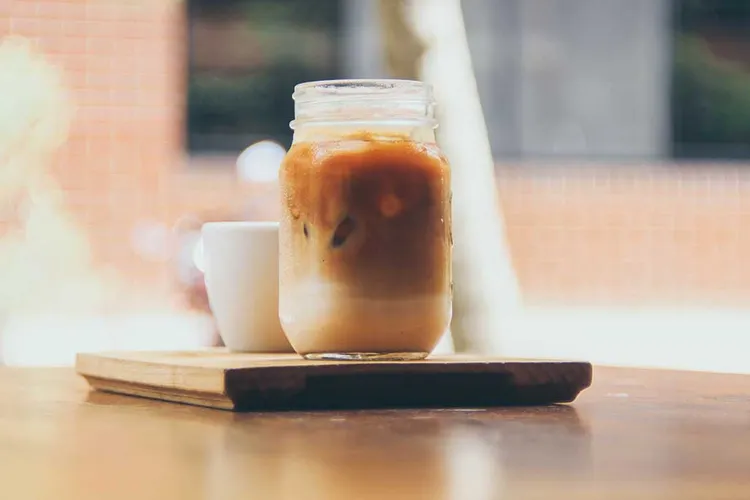
We've all tried to do the math in the coffeeshop line. Is espresso stronger than drip? Should I order cold brew if I actually need to wake up? Will the latte hold me until lunch, or am I going to be crashed out by 11am?
Want the number for your exact drink? Try our caffeine calculator — pick your drink and size, and it'll do the math.
The numbers online contradict each other constantly. Half the blog posts quote a 2 oz espresso shot, half quote 1 oz, and Starbucks gets dragged into every comparison chart whether it belongs there or not. It's a mess.
But I'm here to give the people what they want! So here are the real numbers. I pulled USDA baselines, brand-specific data from Caffeine Informer, and James Hoffmann's filter-vs-espresso experiments into one place so you don't have to.
Here's the part that confuses everyone. Espresso is more concentrated than drip. True. But a single shot has less total caffeine than an 8 oz cup of brewed coffee. Also true. Both of those things are true at the same time, and yes, this is why the internet is confusing.
Per ounce, espresso wins. Per serving, brewed wins. That "espresso is stronger" feeling? It has more to do with how fast you drink it than how much caffeine is actually in the cup.
The (short) answer
For almost every drink you'll order, caffeine comes down to dose × extraction × volume. Here's what that looks like in practice:
A 1 oz espresso shot: about 63 mg (USDA)
An 8 oz brewed cup: about 96 mg
Cold brew and Americanos are the most caffeinated common orders by total dose. A Venti cold brew clocks in over 300 mg -- roughly the FDA's full daily limit. In one cup.
The lever that actually moves caffeine is dose. Grams of coffee going in. Roast level, brew time, cup size -- they barely matter. (More on why in a minute.)
What caffeine actually is, and where it comes from
Caffeine is a natural compound the coffee plant makes as a pesticide. Bitter to bugs, toxic to most of them. Honeybees are apparently the exception -- research shows they actually seek out caffeinated flowers... AND the caffeine makes them more productive!!! One of my favorite little factoids. Anyway.
What ends up in your cup depends mostly on bean species. Arabica -- the kind in our top-rated coffees and in basically every specialty bag on the market, contains about 1.2% caffeine by weight. Robusta, the heartier, more bitter species used in cheap diner blends and some commercial espresso, has about 2.2%. Roughly double. Everything Bean Box ships is arabica -- we work with over 70 independent roasters across the US, and you'll see arabica on every label. Trust me, if it's Robusta, you'll know.
Second thing worth knowing: caffeine is thermally stable. Roasting changes flavor dramatically. It does almost nothing to the caffeine molecule. The "dark roast has more caffeine because it's stronger" story is wrong. Stronger is a flavor word, not a caffeine word. (This one comes up constantly. Now you can correct people at parties.)
The third thing is that caffeine is water-soluble and pulls out of the grounds fast. According to SCA brewing research, most of the caffeine in a brew exits the grounds in the first two minutes of contact. Long contact time doesn't dramatically add caffeine. Bigger dose does. That's the rule for the entire post.
Here's every common drink in one place. The USDA column is the baseline you can trust across roasters and brewers. The brand column is Starbucks (or another representative chain) where it differs meaningfully.
DrinkServingUSDA / baselineStarbucks / brand | Espresso, single | 1 oz | 63 mg | 75 mg | Espresso, double | 2 oz | 126 mg | 150 mg | Drip / brewed | 8 oz | 96 mg | 155 mg (Pike Place Tall) | Drip / brewed | 12 oz | 140 mg | 235 mg (Pike Place Grande) | French press | 8 oz | ~107 mg | — | Pour-over / V60 (18g in) | 12 oz | 150–170 mg | — | AeroPress (standard) | 8 oz | ~80 mg | — | Moka pot | 2 oz | 80–100 mg | — | Instant | 8 oz | 62 mg | — | Cold brew | 12 oz | — | 155 mg | Cold brew | 16 oz Grande | — | 205 mg | Cold brew | 24 oz Venti | — | 310 mg | Nitro cold brew | 16 oz Grande | — | 280 mg | Cold brew concentrate | 1 oz (undiluted) | 25–67 mg | — | Latte / cappuccino (1 shot) | 12 oz | ~75 mg | ~75 mg | Latte / cappuccino (2 shots) | 16 oz | ~150 mg | ~150 mg | Americano (2 shots) | 12 oz | ~150 mg | ~150 mg | Americano (3 shots) | 16 oz | ~225 mg | ~225 mg | Cortado (2 shots) | 4 oz | ~150 mg | — | Macchiato (1–2 shots) | 3 oz | 75–150 mg | — | Decaf brewed | 8 oz | 2–7 mg | — | Decaf espresso | 1 oz | 3–5 mg | —
A few things jump out. Per ounce, espresso is roughly 5× more concentrated than drip. Per serving, drip still wins. That single fact resolves more coffee arguments than any other line in this post. Cold brew is the giant nobody's talking about. A 24 oz Venti is approaching the FDA's full daily safe limit in one cup. Just something to know before you order your second one.
And for milk drinks, cup size barely matters -- shot count is the only variable. A 12 oz latte with one shot has the same caffeine as a 4 oz cortado with two. RIGHT???
The pour-over and French press numbers are also the ones people most often get wrong. James Hoffmann ran a series of tests measuring caffeine extraction across methods at the same dose. An 18g:36g espresso pull ran around 110 mg of total caffeine. The same 18g in a 300g pour-over hit closer to 170 mg. Filter brewing pulls more total caffeine than espresso, even though espresso is more concentrated per ounce, because filter brewing has all that extra water doing the extracting. The math is wild once you see it.
Of the 584 active roasts in our catalog, 206 are tagged for espresso use — about a third of what we carry holds up as a shot. If you reach for the espresso machine, here are coffees for espresso we've picked specifically for it. (The full step-by-step on dialing in a new bag of espresso in under 20 minutes is its own piece.)
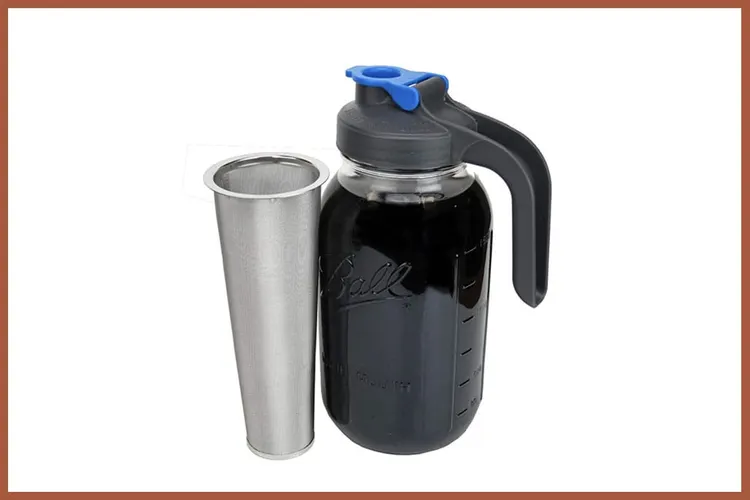
If your day starts with cold brew, our cold-brew coffees are picked for the long, low-temperature extraction, with smoother body and less bite. A 16 oz from your kitchen will land you in the 200–250 mg range without needing a Venti.
The math behind the table
Three variables explain almost every cell. Dose. Extraction. Volume.
Dose is grams of coffee in. A 1 oz espresso shot uses 18–20 grams of ground coffee, pulled into about 36 grams of water, a 1:2 brew ratio. A standard 8 oz drip uses 15 grams of grounds in 240 grams of water, a 1:16 ratio. The espresso has more dose per ounce of cup. The drip has more total water doing the work.
Extraction is the percentage of soluble material (caffeine, oils, flavor compounds) that the water pulls out of the grounds. The SCA brewing research standard suggests 18–22% extraction for a balanced cup. Caffeine pulls out fast and early; by the two-minute mark of most brews, caffeine extraction is essentially done. The rest of the brew time is doing flavor work.
Volume is what makes filter coffee a sleeper hit. Espresso is concentrated because 18g of dose meets 36g of water. Pour-over is less concentrated per ounce, but the same 18g meets 300g of water. So the total caffeine in the cup ends up higher.
If you want more caffeine in your morning, the lever is dose. Two shots instead of one. 20g of grounds in your pour-over instead of 15g. A 1:14 brew ratio instead of 1:18. Brewing longer won't help. A bigger cup with the same dose won't help much either.
What actually moves caffeine (and what doesn't)
A few myths I'd like to retire.
Dark roast has more caffeine than light. No. Caffeine is thermally stable, so by weight it's nearly identical across roast levels. By scoop, light roast is marginally higher because the beans are denser and pack more grams into the spoon. The cup-level difference is too small to matter. (Freshness affects flavor enormously, but neither freshness nor roast level moves caffeine in a noticeable way.) Light-roast coffees and dark-roast coffees deliver effectively the same caffeine in the same cup.
Stronger-tasting coffee has more caffeine. No. "Strong" is a flavor descriptor: bold, heavy, full-bodied. A delicate Ethiopian washed and a bruising Sumatran dark can carry the same caffeine. The mouthfeel is doing the work your tongue thinks the caffeine is doing.
A bigger cup means more caffeine. Only if you scale the dose. Pouring 12 oz of water over 15g of grounds gets a weaker, more diluted cup at roughly the same total caffeine as 8 oz over the same dose.
Brewing longer pulls more caffeine. Not meaningfully. A 4-minute French press has about the same caffeine as an 8-minute one. Extra steeping time mostly extracts bitter compounds, not caffeine.
Arabica and robusta are the same. Not even close. Robusta has roughly 2× the caffeine of arabica by weight. Most specialty coffee, including everything in our catalog, is arabica. Cheap blends and some Italian-style espresso roasts include robusta for body, crema, or cost. That's where higher caffeine hides in commercial coffee.
The FDA's guidance on caffeine is 400 mg per day for healthy adults: the limit "not generally associated with negative effects." That's about four 8 oz brewed cups, or six espresso shots, or one Venti cold brew. If you drink three or four cups a day, you're in range.
For pregnant people, Mayo Clinic's caffeine guide cites 200 mg/day as the typical recommendation. The exact number can vary by your doctor; talk to them about your specific situation rather than reading a coffee blog for medical advice. (Yes, I just wrote that in a coffee blog.)
Sensitivity varies more than people realize. Some people clear caffeine in a few hours; others take much longer. Genetics, body weight, and medications all factor in. If you sleep badly with caffeine after lunch, that's information. Trust your body. If you want to scale down without giving up the morning ritual, half-caf is a real option, and a properly chosen decaf coffee is genuinely delicious. 88 of our 584 live coffees are decaf or half-caf. Specialty decaf is a growing market, and there are a lot of great decaf coffees to explore!
So what should you order?
You don't need to memorize the whole table. You need to know which lever moves caffeine: dose. Grams of coffee in. Roast level doesn't move it. Brew time doesn't, not really. Cup size doesn't unless you scale the dose.
Pick the drink that matches what you actually want. Cold brew if you want to be wide awake by 9. Pour-over if you want a strong cup that's smooth on the stomach. Espresso if you want concentrated joy in 30 seconds. Half-caf if you want the ritual without the buzz.
If you'd like a curated path through coffee that fits the caffeine intensity of your morning (light or bold, decaf or full power, brewed or built for espresso), our Coffee Plan matches roast level, brew preference, and how much caffeine you actually want in the cup.
We want to help you make better coffee at home. Our recommendations are our own, and never sponsored. If you see something you love and buy it through our links, we may receive an affiliate commission (thanks for that!).
MG
Maryna Gray
Cup of Excellence Juror
From our coffee sommelier
Maryna's weekly picks
“I taste thousands of coffees a year — I’ll only send you the few worth brewing.”
Maryna Gray is Head Curator at Bean Box, a juror for the Cup of Excellence, and Chairwoman of the Alliance for Coffee Excellence. She is one of the most credentialed Specialty Coffee tasters in the US. Over the past decade she has professionally evaluated thousands of coffees from the world's top roasters and writes exclusively about the ones genuinely worth drinking. Find her specialty coffee recommendations on our blog, or build your own coffee subscription and let her curate your morning cup.
Show you relevant coffee and offers across the web.
About cookies on this site
Our site uses cookies, tracking tools, and similar technologies that enable us and third parties
to collect information about you online, including IP address, browser and device info, referring
URLs, online interactions, and other usage and activity data.
Some of these technologies are necessary for our site to function properly. Others may be used to
enable third-party features and functionality, such as social media and chat, analyze traffic and
usage, record user sessions, detect and remember user settings, personalize experiences, and
measure and target content and ads, here and on third-party sites.
Click "Accept All Cookies" to use this site with all cookies enabled, or click "Limit Cookies" to enable
only necessary cookies. You can also click "Cookie Settings" below or in our site footer to review
and manage your cookie preferences at any time.
Unlock a Free Coffee ($19 Value)
when you sign up for email and texts
By entering your email and submitting this form, you consent to receive marketing emails from Bean Box, Inc., including promotions and offers. Your email will be shared with our email service provider to deliver these messages. See our Privacy Policy. Unsubscribe anytime via the link in any email.
Unlocked! Claim Your Free Coffee ($19 Value) via Text
Enter your number to sign up for our SMS list.
By submitting this form and signing up for texts, you consent to receive marketing text messages (e.g. promos, cart reminders) from Bean Box, Inc. at the number provided, including messages sent by autodialer. Consent is not a condition of purchase. Msg & data rates may apply. Msg frequency varies. Unsubscribe at any time by replying STOP or clicking the unsubscribe link (where available). Privacy Policy & Terms.
You're All Set!
Your free coffee is unlocked — claim it now, or find the link in your inbox. Happy brewing!
A FREE BAG FOR YOUR THIRD DELIVERY
START A PLAN, GET A BAG ON US
Leave your email for the link: start a 12 oz coffee plan and the bag in your third delivery is free (a $19 value). You'll also hear which roasters Maryna is excited about each month.
By entering your email and submitting this form, you consent to receive marketing emails from Bean Box, Inc., including promotions and offers. Your email will be shared with our email service provider to deliver these messages. See our Privacy Policy. Unsubscribe anytime via the link in any email.
WANT IT BY TEXT TOO?
Add your mobile number and the link comes to your phone as well.
By submitting this form and signing up for texts, you consent to receive marketing text messages (e.g. promos, cart reminders) from Bean Box, Inc. at the number provided, including messages sent by autodialer. Consent is not a condition of purchase. Msg & data rates may apply. Msg frequency varies. Unsubscribe at any time by replying STOP or clicking the unsubscribe link (where available). Privacy Policy & Terms.
CHECK YOUR INBOX
Your link is on its way. Or start your plan now; the bag in your third delivery is free.
 Maryna Gray
• June 11, 2026 — last updated June 10, 2026
Maryna Gray
• June 11, 2026 — last updated June 10, 2026