How to Clean and Descale Your Coffee Maker
 Maryna Gray
• June 15, 2026 — last updated June 23, 2026
Maryna Gray
• June 15, 2026 — last updated June 23, 2026
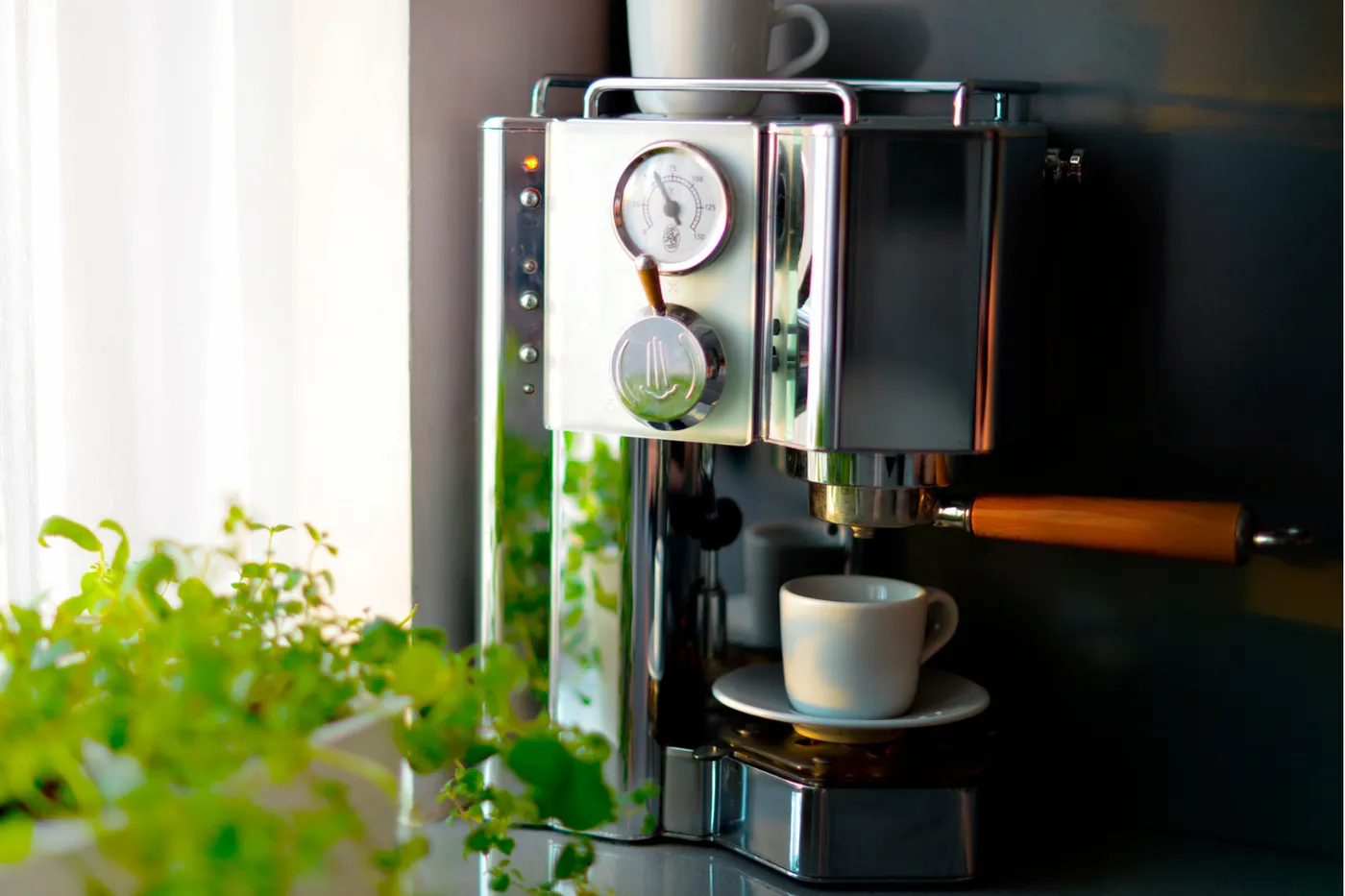
Here's a hard truth about your morning coffee: even the best fresh-roasted beans can taste flat, sour, or weirdly bitter if your coffee maker is dirty. The brewer is half the recipe, and most of us forget to clean it. So let's fix that. This is your one-stop guide to cleaning and descaling every brewer in your kitchen, from a drip machine to a Chemex.
Why descaling matters
Two things gunk up a coffee maker over time. First, coffee oils. Every brew leaves behind a thin film of oil that goes rancid and turns your next cup stale and bitter. That's why you wash the parts after each use. Second, and sneakier, is mineral buildup. Tap water carries dissolved calcium and magnesium, and as your machine heats that water it leaves behind limescale, a chalky white crust that coats the heating element and clogs the water lines.
Limescale is the real villain. As it builds, your machine heats slower, brews weaker, runs longer, and eventually starts making a sour, under-extracted cup, because the water never gets hot enough to brew properly. Descaling dissolves that crust and brings your coffee maker back to life. If you have hard water, you'll notice it fast.
Cleaning vs. descaling: what's the difference?
Cleaning is the quick wash you do after every brew: rinsing the carafe, the basket, and the filter to clear out old coffee oils and grounds. Descaling is the deeper job of dissolving mineral buildup from the inside of the machine, the parts you can't reach with a sponge. You clean often; you descale occasionally. Both matter, and skipping either one shows up in the cup.
How often should you descale a coffee maker?
The honest answer is: it depends on your water. A good rule of thumb:
- Soft water: every 3 months
- Hard water: every month, or even every few weeks if it's really hard
- Not sure? Default to once a month and watch for warning signs
Your machine will tell you when it's overdue. Longer brew times, a sputtering or noisy pump, weak or sour coffee, and visible white flakes are all limescale calling. Many modern machines even have a descale light, and it's not just there for decoration.

From our coffee sommelier
Maryna's weekly picks
“I taste thousands of coffees a year — I’ll only send you the few worth brewing.”
Something went wrong — please try again.
Free · Weekly · Unsubscribe anytime
How to clean a drip coffee maker with vinegar
This is the most common brewer and the easiest to descale. All you need is white vinegar and water. It's cheap, it works, and you already have it.
- Empty the machine. Toss any old grounds and the paper filter, and dump out the carafe.
- Mix your solution. Fill the water reservoir with a 1:1 mix of white vinegar and water. (For a lightly scaled machine, you can dial it back to one part vinegar to two parts water.)
- Run a half cycle. Start a brew, let it run about halfway, then turn it off and let the vinegar solution sit in the machine for 30 to 60 minutes. This soak is what dissolves the heavy buildup.
- Finish the cycle. Turn the machine back on and let the rest of the solution run through.
- Rinse twice. Empty the carafe, fill the reservoir with fresh water, and run two full cycles with plain water to flush out any vinegar taste. Three if you can still smell it.
- Wash the removable parts. Hand wash the carafe and basket with warm soapy water, then dry.
That's it. Do this monthly and your drip coffee will taste noticeably cleaner.
Can you descale a coffee maker without vinegar?
Yes. A few good alternatives if you'd rather skip the vinegar smell:
- Citric acid. Dissolve 1 to 2 tablespoons of citric acid powder in a full reservoir of water and run the same cycle-and-soak as above. It's odorless and rinses clean fast, which is why it's my favorite vinegar substitute.
- Lemon juice. Mix it 1:1 with water like you would vinegar. It's milder, so it works best for light buildup.
- Commercial descaler. Brands like Urnex or your machine's own descaler are formulated to be gentle on internal parts. Follow the bottle's instructions. They cost more than vinegar but are worth it for pricier machines (more on that below).
Vinegar vs. commercial descaler: which should you use?
For a basic drip machine, white vinegar is perfectly fine and a fraction of the cost. For an expensive espresso machine, I'd spend the few dollars on a commercial descaler. Vinegar is acidic enough that, over many uses, it can be hard on rubber seals and aluminum boilers, and some manufacturers will void your warranty if you use it. When in doubt, check your machine's manual and use what it recommends.
How to clean an espresso machine
An espresso machine works harder than any other brewer, so it needs the most attention. There are two jobs here. (New to pulling shots? Start with our guide on how to make espresso at home.)
- Daily: Wipe down the steam wand right after every use and purge it with a quick burst of steam so milk doesn't dry inside. Knock out the puck, rinse the portafilter and basket, and wipe the group head with a damp cloth.
- Weekly backflush (for machines with a 3-way valve): Pop a blind (blank) filter basket into your portafilter, add a small scoop of espresso machine cleaner, lock it in, and run the brew cycle in short bursts. This pushes water back through the group head to clear out coffee oils. Then repeat with plain water and no cleaner to rinse.
- Descaling (every 1 to 3 months): Run a commercial espresso descaler through the water tank per the manufacturer's instructions, then flush thoroughly with fresh water. Skip vinegar here, since the acidity can damage internal components and your warranty.
Shopping for a new one? See our espresso machine recommendations.
How to clean a Moka pot
The Moka pot is wonderfully low-maintenance, with one ongoing debate: soap or no soap? Traditionalists swear that a thin layer of coffee oil "seasons" the aluminum and improves the flavor, so they rinse with hot water only. I land in the practical middle: a quick rinse most days is fine, but a gentle wash with a little unscented dish soap every so often keeps it from going rancid. Whatever you choose, never put it in the dishwasher. (Need the brewing basics? Here's how to use a Moka pot.)
- After every brew: Let it cool, then hand wash all three parts with warm water and a soft brush. Dry everything completely, including the rubber gasket and the metal filter, so it doesn't corrode.
- Check the gasket and valve: Make sure the rubber gasket is clean and the safety valve isn't blocked. A clogged valve is a safety issue, not just a flavor one.
- Descale for hard water: If you see white mineral buildup, fill the base with a half-and-half mix of white vinegar and water, run a full brew cycle with no coffee, then rinse well and run one plain-water cycle to clear the vinegar taste.
How to clean a French press
The French press is mostly grounds and oils, with no internal plumbing to descale. The trick is getting it genuinely clean, because that fine mesh filter traps oils that turn bitter. (For the brewing side, see how to use a French press.)
- Dump the grounds. Scoop or rinse them into the trash or compost, not the sink, where they clog drains.
- Disassemble the plunger. Unscrew the mesh filter discs and wash each piece separately. This is where the hidden oils hide.
- Wash with warm soapy water. Use a soft sponge or bottle brush. For a deeper clean, a little baking soda scrub cuts through oil buildup.
- Rinse and air dry. Make sure every piece is fully dry before reassembling.
How to clean a Chemex and pour-over drippers
A Chemex is just glass, so it's simple to keep spotless, but the narrow neck and coffee oils call for a little care. (Brewing first? Here's how to use a Chemex.)
- Compost the filter and grounds. Lift out the spent paper filter (grounds and all) and toss it.
- Rinse right away. Hot water clears most of the oils if you do it before they set.
- Scrub the neck. For oil rings in that narrow waist, swirl a little warm water with baking soda or a few grains of uncooked rice, which acts as a gentle abrasive without scratching the glass. A bottle brush works too.
- Deep clean for stains. For stubborn brown staining, soak with a denture-cleaning tablet or a baking soda and warm water solution, then rinse thoroughly.
The same approach works for a V60 or any pour-over dripper: rinse fast, scrub the oils, and skip the harsh chemicals on anything that touches your coffee.
A few cleaning tips for better coffee
- Use filtered water. The single best way to slow limescale is to brew with filtered or bottled water instead of hard tap water. Less scale means descaling far less often.
- Dry your gear fully. Standing moisture grows mold and corrodes metal parts. Air dry everything before storing or reassembling.
- Don't forget the grinder. Old grounds go stale and rancid inside your grinder too. Brush it out regularly so it doesn't taint fresh beans.
- Rinse, rinse, rinse after descaling. Always run extra plain-water cycles so your next cup doesn't taste like vinegar.
Clean gear is honestly the cheapest upgrade in coffee. No new machine, no fancy beans, just a sponge, some vinegar, and ten minutes a month. Give your brewer a real cleaning this week and taste the difference. Trust us.
We want to help you make better coffee at home. Our recommendations are our own, and never sponsored. If you see something you love and buy it through our links, we may receive an affiliate commission (thanks for that!).
From our coffee sommelier
Maryna's weekly picks
“I taste thousands of coffees a year — I’ll only send you the few worth brewing.”
Something went wrong — please try again.
Free · Weekly · Unsubscribe anytime