Mexican Coffee: The Beans, the Regions, and Café de Olla
 Maryna Gray
• May 03, 2021 — last updated June 15, 2026
Maryna Gray
• May 03, 2021 — last updated June 15, 2026
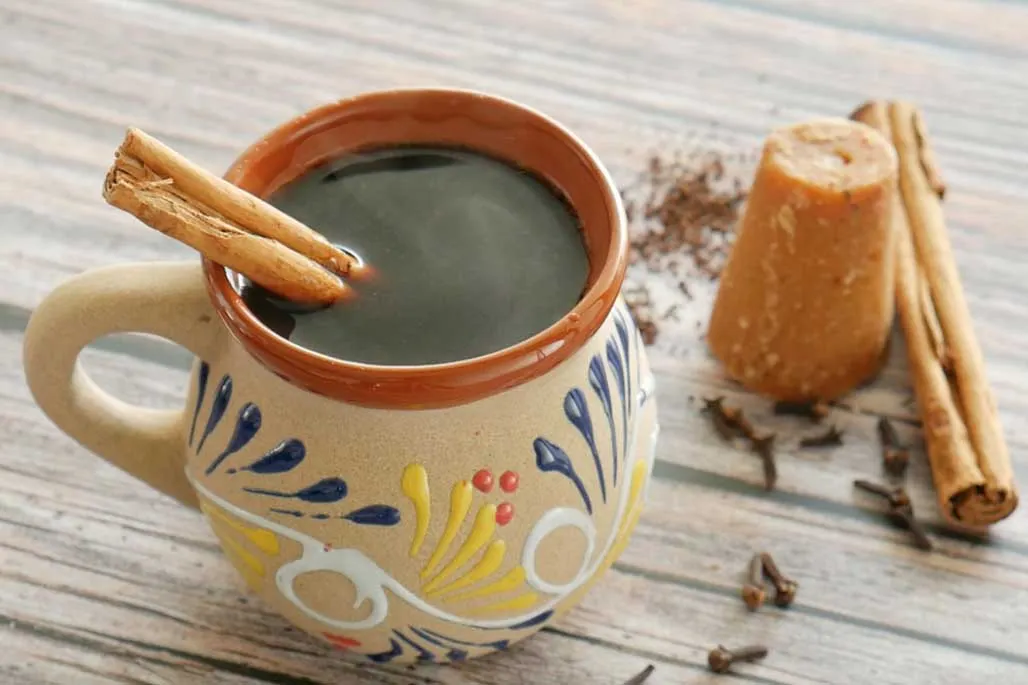
"Mexican coffee" means two lovely things at once: the smooth, chocolaty beans grown in Mexico's southern highlands, and café de olla, the cinnamon-and-raw-sugar spiced coffee that's been warming Mexican kitchens for generations. Most of us have had one without knowing the other. Mexico is one of the world's great coffee origins, and its specialty side is genuinely exciting. Here's what Mexican coffee tastes like, where it grows, and how to make a proper café de olla at home.
The short answer
We all know Mexican coffee from a café somewhere, but there's a whole origin and a beautiful spiced tradition behind it, and I'll walk you through both.
- The beans: mild, smooth, chocolaty and nutty; grown mostly in Chiapas, Veracruz, and Oaxaca.
- Best roast: medium, to bring out the chocolate and keep the smoothness.
- Café de olla: the traditional spiced coffee with cinnamon and piloncillo (raw cane sugar).
- For something special: seek out specialty Chiapas or Oaxaca lots.
What does Mexican coffee taste like?
Mexican coffee is known for being smooth, mild, and clean, with chocolate and nutty notes and a light-to-medium body. It's the opposite of a loud, funky coffee; its charm is balance and easy drinkability, which makes it a wonderful everyday cup and a natural base for lattes and milk drinks. Higher-grown specialty lots, especially from Chiapas and Oaxaca, add gentle citrus, brown-sugar sweetness, and more sparkle.
Where coffee grows in Mexico
Almost all of Mexico's coffee comes from the south, grown by smallholder farmers, often at high altitude and frequently certified organic:
- Chiapas: the largest and most celebrated region, on the Guatemalan border, source of much of Mexico's specialty coffee.
- Veracruz: high-altitude coffee along the Gulf side, known for clean, bright cups.
- Oaxaca: smaller, distinctive lots with sweetness and character.
Mexico is also a powerhouse of organic coffee, since many of its small farms grow in shade without synthetic inputs.
How to make café de olla
Café de olla is the traditional Mexican spiced coffee, brewed in a clay pot (olla) with cinnamon and piloncillo, an unrefined cane sugar with a deep, molasses-like flavor. It's sweet, warming, and cinnamon-forward, and it's especially loved around the holidays. You don't need a clay pot; a saucepan works.
- Combine 4 cups of water, a cinnamon stick, and 2 to 3 tablespoons of chopped piloncillo (or dark brown sugar) in a pot.
- Simmer to a gentle boil for a few minutes, until the piloncillo dissolves and the cinnamon infuses.
- Add the coffee: stir in about 4 tablespoons of coarsely ground medium-roast coffee, turn off the heat, cover, and steep 4 to 5 minutes.
- Strain and serve hot, sweetening further to taste. A star anise or a strip of orange peel is a lovely addition.
Choosing a Mexican coffee
For everyday drinking, a medium-roast Mexican coffee gives you that smooth, chocolaty cup that's so easy to love, and it's a perfect base for café de olla. For something more distinctive, look for a specialty single-origin lot from Chiapas or Oaxaca, where the higher altitude brings real brightness and sweetness.
As always, freshness makes the difference. You can browse our Mexico coffees or build a coffee subscription and we'll send fresh-roasted single origins from dozens of independent US roasters.
Frequently asked questions
What does Mexican coffee taste like? Smooth and mild, with chocolate and nut notes; specialty lots add citrus and brown-sugar sweetness.
Where is it grown? Mostly Chiapas, Veracruz, and Oaxaca in the south.
What is café de olla? Traditional spiced coffee with cinnamon and piloncillo, brewed in a clay pot.
Is Mexican coffee good? Yes, a smooth everyday cup, and specialty Chiapas/Oaxaca lots can be excellent.
Best roast? Medium for everyday; lighter for high-grown specialty lots.
One last cup
Mexican coffee is easy to underrate and easy to love: a smooth, chocolaty everyday cup with a rich spiced tradition behind it. Brew a specialty Chiapas lot as a clean medium roast, or simmer up a café de olla on a cold morning. Either way, you're drinking something with real heritage.
We want to help you make better coffee at home. Our recommendations are our own, and never sponsored. If you see something you love and buy it through our links, we may receive an affiliate commission (thanks for that!).